

Russian classical music is a captivating journey through time, filled with passion and complex emotions that resonate with listeners across the globe. Imagine a world where each note tells a story, where the very air vibrates with the echoes of history. This article explores the vibrant landscape of Russian classical music, from its deep-rooted origins to its modern-day interpretations. Prepare yourself for a melodious romp through cultures and centuries, sprinkled with a bit of humor and a lot of tradition. Grab your headphones, and let’s immerse.
Historical Overview of Russian Classical Music
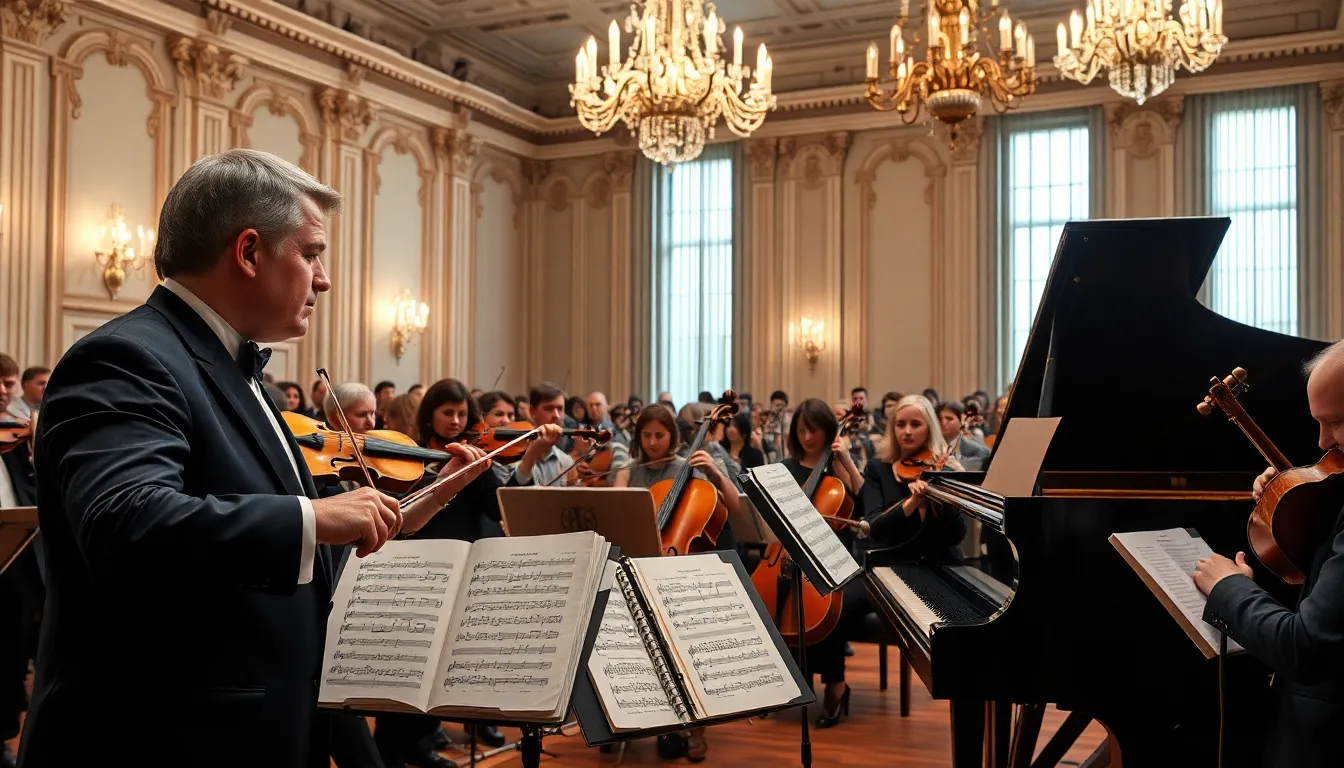
Russian classical music has roots that dig deep into the soil of the nation’s history, emerging in the late 17th century alongside vital changes in social and political landscapes. Initially influenced by Western European styles, Russian composers began developing their unique sound. The incorporation of folk themes and melodies into formal structures has always set this music apart.
During the 18th century, music became an essential part of cultural life in the Russian Empire. Composers like Michael Glinka spearheaded this movement, laying the groundwork for what would soon flourish. And let’s not forget the 19th century, which saw an explosion of talent, as Russia became a hotbed of musical innovation influenced by events like the Decembrist uprising and the burgeoning nationalist sentiment. It’s safe to say these influences brought forth music that was passionate, dramatic, and intensely emotional.
Key Composers and Their Contributions
Several composers stand out like stars in the Russian music galaxy, with each contributing to its richness. Glinka, often considered the father of Russian classical music, infused his works with national themes, creating a foundation that later composers would build upon.
Then there’s Pyotr Ilyich Tchaikovsky, whose works like “Swan Lake” and “The Nutcracker” are synonymous with both classical music and holiday cheer. His emotional depth and ability to convey human experience through music transformed the genre.
Not to be overlooked are the group of composers known as ‘The Mighty Handful,’ including Rimsky-Korsakov and Mussorgsky, who encouraged the move toward more distinctly Russian sounds. They incorporated folk elements, turning simple tunes into intricate masterpieces. This period laid a vibrant groundwork that would echo through generations.
Cultural Influence and Context
The cultural context of Russian classical music is a fascinating blend of tradition, nationalism, and the search for identity. Music became a mirror to Russian society, reflecting its struggles, triumphs, and ever-evolving identity. Amidst the political upheavals and social transformations, composers found inspiration in folk tales, peasant life, and the beauty of the Russian landscape.
This cultural tapestry would influence not just composers but also the rise of ballet, opera, and symphonic music. The fusion of Western styles with indigenous traditions birthed something truly unique, captivating audiences worldwide. The 20th century introduced further complexity as artists navigated the constraints of the Soviet regime, often infusing their works with hidden meanings and subtle critiques.
Signature Styles and Characteristics
What makes Russian classical music distinct? It’s an intriguing mix of haunting melodies, rich harmonies, and dramatic contrasts. The use of wide-ranging dynamics and expressive rhythms often evokes strong emotional responses from listeners. This music can shift from serene tranquility to intense passion in the blink of an eye, often leaving audiences breathless.
A common characteristic is the incorporation of folk motifs, think of catchy tunes enriched with layers of orchestration. Russian composers have a knack for blending various instruments, creating lush textures and colors in their compositions. Deep themes, such as love, despair, and nature, often echo throughout the music, allowing listeners to connect on a visceral level.
The Evolution of Russian Classical Music through Eras
As Russia transitioned through various political and social eras, so too did its classical music. The Romantic era placed a strong emphasis on emotional expression and individualism. Composers like Tchaikovsky and Rachmaninoff showcased personal feelings, navigating the turbulent waters of their times through their scores.
The 20th century, characterized by turmoil and revolution, led to avant-garde movements, with composers like Dmitri Shostakovich pushing boundaries and redefining norms. Amidst censorship and constraints, these artists forged new paths, blending the old with the experimental. Recent years have seen a revival of interest in traditional forms, with contemporary composers adding their voices to this ever-evolving landscape.
Contemporary Russian Classical Music Scene
The contemporary Russian classical music scene is a blend of honor for tradition and excitement for what lies ahead. Modern composers like Sofia Gubaidulina and Rodion Shchedrin have garnered international recognition, crafting works that fuse tradition with innovation. They explore new musical languages while still paying homage to their roots.
This era sees a greater appreciation for fusion genres, where classical music intersects with popular styles, embracing a more global audience. In cities like Moscow and St. Petersburg, vibrant festivals and concerts breathe new life into classical traditions, ensuring the sounds of Russia will continue to resonate for years to come.

