

Hip-hop music is more than just a genre: it’s a vibrant cultural movement that has changed the musical landscape forever. Imagine a world without the pulsating beats, clever rhymes, and the unmistakable swagger of hip-hop. Pretty dull, right? From its roots in the Bronx to its takeover of the global stage, this genre has evolved in ways that keep both fans and critics on their toes. Immerse as we explore the rich tapestry of hip-hop, where every beat tells a story and every lyric holds a lesson.
The Origins of Hip-Hop Music
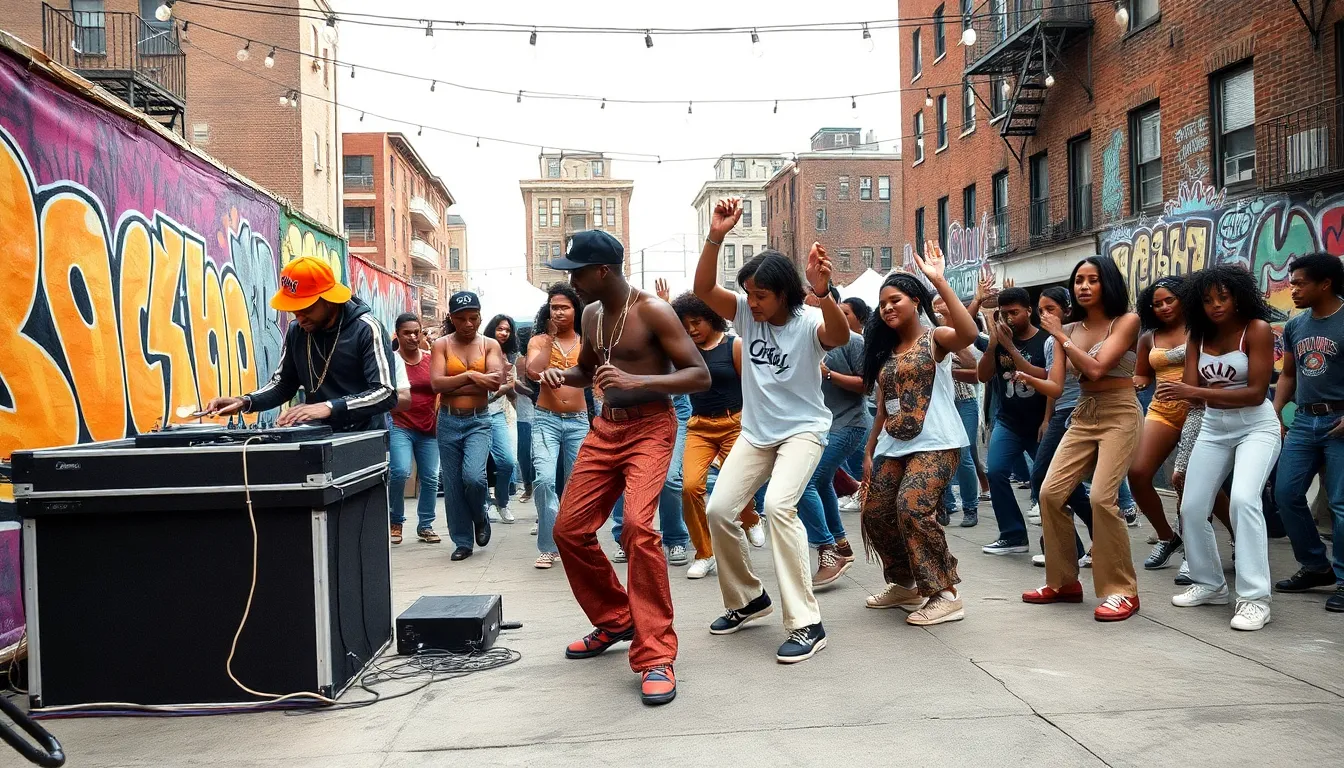
Hip-hop music sprouted in the early 1970s, primarily in the South Bronx, a melting pot where diverse cultures collided. DJs like Kool Herc pioneered the art of mixing and beat juggling, laying the groundwork for what would become a musical revolution. Parties turned into gatherings of creativity, where attendees celebrated their heritage through rhythmic expression. The genre gained momentum through block parties and underground clubs, where young people found an outlet for their passions. As the beats dropped, so did the barriers: hip-hop became a safe space for self-expression, echoing the struggles and dreams of many.
Key Elements of Hip-Hop Culture
Hip-hop culture is a multifaceted phenomenon, incorporating four essential elements: MCing, DJing, graffiti art, and breakdancing.
- MCing (Rapping): This brings lyrics to life, where artists weave compelling narratives often drawn from real life. They spit bars that resound with emotions, sharing their experiences, dreams, and challenges.
- DJing: DJs aren’t just mixers: they are the architects of sound. With turntables and mixers, they create an atmosphere that drives the beat and energizes the crowd, often looping and sampling beats from various genres.
- Graffiti Art: This visual component transforms urban landscapes into canvases. From subway cars to city walls, graffiti artists carry messages of empowerment and identity, adding color to the streets.
- Breakdancing: Known as B-boying, this kinetic art form combines athleticism with creativity. Dancers express themselves through intricate footwork and stylized movements, pushing physical boundaries while expressing emotions through rhythm.
Influential Artists and Their Impact
No discussion of hip-hop is complete without recognizing the artists who have shaped its trajectory. From the lyrical genius of Nas to the revolutionary energy of Public Enemy, each artist brings a unique flavor.
Tupac Shakur and The Notorious B.I.G. not only defined the East Coast-West Coast rivalry but also gave voice to social issues that resonated deeply with many. Celebrated for their storytelling prowess, their songs hit hard, still relevant in discussions about race, violence, and identity.
Fast forward to the present, artists like Kendrick Lamar and Nicki Minaj push the genre further into critical territory, tackling issues of feminism and systemic injustice. Their music isn’t just entertainment: it’s social commentary wrapped in catchy hooks that engage listeners and spark dialogues.
Subgenres of Hip-Hop
As hip-hop evolved, so did its sounds, giving rise to various subgenres. Each unique style extends the hip-hop tradition while capturing different experiences.
- Trap: Originating in the Southern U.S., trap music is characterized by its heavy use of hi-hats and dark melodies. Artists like Migos and Future have popularized this sound.
- Boom Bap: Drawing roots from the East Coast, this style features hard-hitting beats and focuses on lyricism. Notable artists, including J. Cole and A Tribe Called Quest, exemplify this subgenre.
- Alternative Hip-Hop: This innovative branch seeks to break from traditional norms, with artists like Childish Gambino pushing boundaries. Their music often incorporates elements from other genres, resulting in a sound that’s innovative and reflective.
By exploring these subgenres, listeners can appreciate the nuances that make hip-hop an ever-evolving artistic expression.
The Global Reach of Hip-Hop
Hip-hop knows no borders: its influence is felt worldwide. Countries like France, Japan, and Brazil have cultivated their unique interpretations of hip-hop culture.
In France, artists like IAM and NTM address social and political issues through their lyrics, mirroring the genre’s deep roots in social commentary. Meanwhile, in Japan, artists like Nigo and DJ Krush blend traditional Japanese sounds with hip-hop beats, creating a fusion that appeals to both local and international audiences.
Brazilian hip-hop reflects social inequalities, capturing the spirit of the favelas with heartfelt lyrics and electrifying rhythms. From the streets of Brooklyn to the corners of Tokyo, hip-hop has molded itself into a universal language, allowing voices to be heard across continents.
The Evolution of Hip-Hop Through the Decades
The journey of hip-hop through the decades is a testament to its resilience and adaptability. The 1980s introduced mainstream audiences to the genre with artists like Run-D.M.C. and LL Cool J, paving the way for commercial success. The 1990s brought lyrical depth, showcased through artists like Nas and Lauryn Hill, who challenged the genre to be more than just party music.
As the 2000s rolled in, hip-hop entered the mainstream in unprecedented ways, with artists like Jay-Z and Eminem dominating the charts. Collaborations with pop artists blurred genres, making hip-hop accessible to a broader audience. Today, the genre continues to innovate, integrating technology and social media, allowing new artists to emerge and share their voices more freely than ever.
The evolution highlights hip-hop’s ability to reinvigorate itself while remaining rooted in its foundational principles of community, creativity, and consciousness.

