

In the world of rap, record labels are like the secret sauce that turns a good rhyme into a chart-topping hit. They’re the gatekeepers, the talent scouts, and sometimes, the ones who decide whether your mixtape ends up in a digital abyss or in the hands of a million fans. With so many labels out there, navigating this landscape can feel like trying to find a needle in a haystack—if that needle were wearing a gold chain and spitting bars.
Overview of Rap Record Labels
Rap record labels serve as pivotal entities within the music industry, significantly shaping the careers of artists. These organizations scout talent, manage production, and oversee distribution, ultimately influencing an artist’s exposure and success. Major labels like Def Jam, Interscope, and Atlantic dominate the scene, while countless independent labels also make vital contributions.
Def Jam Records stands out for its legacy, launching the careers of iconic artists such as Jay-Z and Rihanna. This label has a reputation for nurturing talent and driving innovative music trends. Interscope Records, home to artists like Eminem and Dr. Dre, exemplifies the impact of strategic partnerships and collaborations.
Independent labels cater to various niches, offering alternatives to mainstream music. For example, labels like Rhymesayers and Strange Music focus on underground artists and unique sounds. Success stories often emerge from these smaller labels, proving that talent can thrive outside of traditional routes.
Financial backing plays a crucial role in how these labels operate. Labels with substantial funding can invest in marketing campaigns and high-quality production, enhancing an artist’s visibility. Conversely, independent labels often rely on grassroots marketing and dedicated fan bases.
Changing trends in the industry continually challenge these labels. Digital platforms disrupt traditional distribution methods, making it essential for labels to adapt quickly. Social media facilitates direct artist engagement, allowing musicians to connect with fans without relying solely on labels.
Emerging artists face hurdles when navigating a complex landscape of opportunities and decisions. Finding the right fit remains vital for long-term success. Labels significantly impact not only an artist’s career trajectory but also broader trends in the rap genre.
Major Players in the Industry
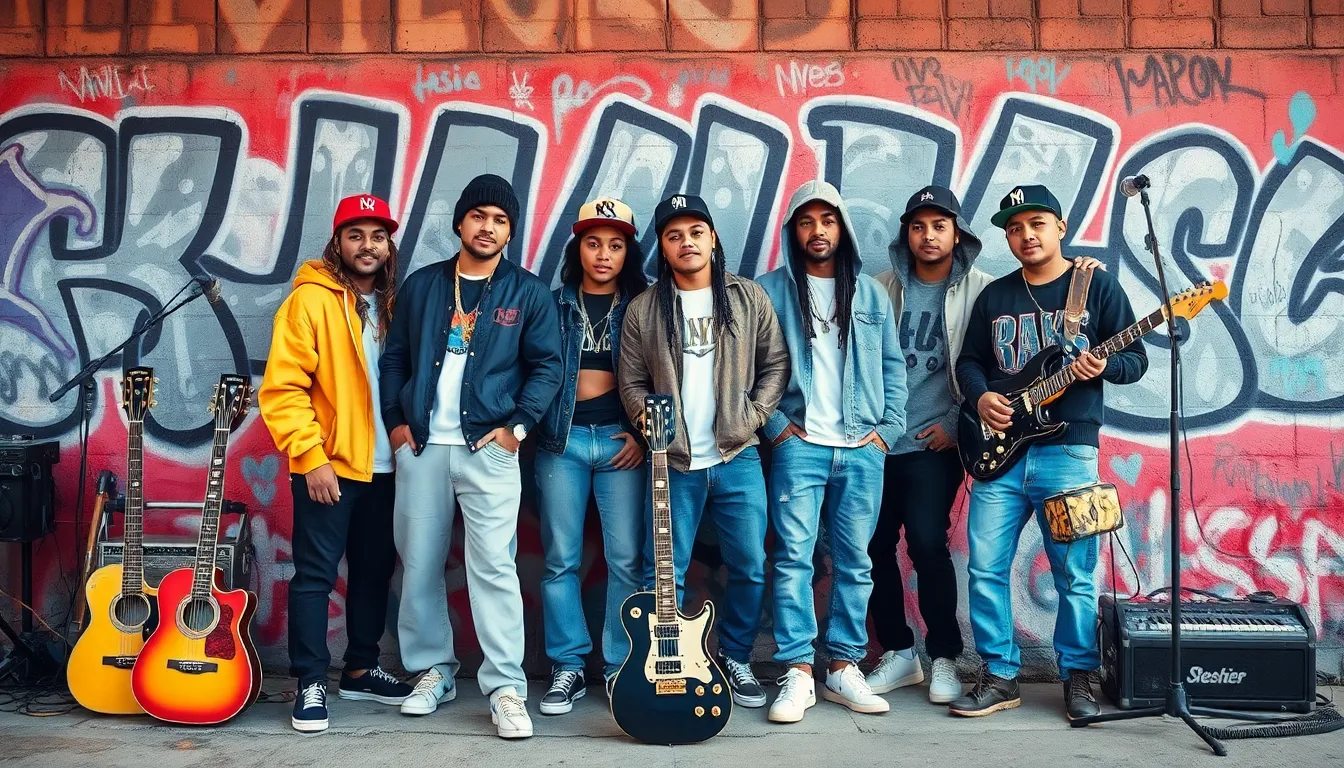
The rap industry features several key record labels that shape its sound and direction. These players serve as pivotal entities in the careers of numerous artists.
Top Record Labels
Def Jam remains one of the most influential labels, launching prominent artists like Jay-Z and Rihanna. Interscope also stands out with notable figures such as Eminem and Dr. Dre under its umbrella. Atlantic Records built a legacy by nurturing talents like Bruno Mars and Cardi B. Universal Music Group continues to dominate with a diverse roster across various genres. These labels offer vital resources for production, marketing, and distribution, which can significantly affect an artist’s trajectory.
Emerging Labels
Independent labels are rising in prominence, attracting attention for their unique sounds and approaches. Rhymesayers nurtures underground talent, promoting artists like Atmosphere and Aesop Rock. Strange Music emphasizes creativity while representing artists such as Tech N9ne. Quality Control Music quickly gained recognition with stars like Migos and Lil Yachty. These emerging labels prioritize authenticity and artist development, allowing for a broader range of voices in the rap scene.
Impact of Record Labels on Artists
Record labels significantly shape the careers of artists in the rap industry. They provide essential support and resources while influencing creative decisions.
Support and Resources
Labels facilitate access to a network of professionals including producers, songwriters, and marketing experts. Well-funded labels enhance visibility through substantial marketing campaigns. Financial backing from these labels covers costs associated with recording, promotion, and touring. Independent labels often provide tailored support, allowing artists to connect with dedicated fan bases. Successful artists find that collaboration with established labels can open doors to wider audiences. For instance, Def Jam and Interscope have shaped the careers of numerous high-profile artists, leveraging resources for maximum reach.
Creative Control
Creative control varies significantly between major and independent labels. Many artists under major labels face constraints that limit their artistic expression. Labels often prioritize commercial viability, which can influence an artist’s sound and image. In contrast, independent labels tend to encourage experimentation and innovation. Artists with independent labels enjoy greater artistic freedom, enabling them to maintain their unique voice. Such environments foster creativity, allowing artists like Tech N9ne to thrive without mainstream pressures. Ultimately, the label’s approach to creativity directly impacts an artist’s long-term success and resonance within the rap genre.
The Evolution of Rap Record Labels
Rap record labels have evolved considerably, reflecting the genre’s growth and cultural shifts. They now play a vital role in determining the paths of aspiring artists.
Historical Context
The late 1970s marked the inception of rap labels, with pioneering names like Sugar Hill Records helping to establish hip-hop. Founding artists, such as Grandmaster Flash and the Furious Five, laid the groundwork for future talent. Def Jam Records emerged in 1984, propelled by artists like LL Cool J and the Beastie Boys, cementing the label’s legacy in mainstream culture. By the 1990s, labels like Death Row Records showcased the emergence of West Coast rap, introducing industry icons like Tupac Shakur and Snoop Dogg. Their impact facilitated the expansion of hip-hop into various markets, ultimately changing the music landscape.
Current Trends
Current trends reveal a shift toward independent labels, as many artists seek creative freedom. Labels like Quality Control Music reflect this movement, with stars like Migos and Lil Yachty emphasizing authenticity. Social media platforms now allow artists to connect directly with audiences, reducing reliance on traditional record labels. Digital distribution methods further democratize the industry, enabling independent labels to compete effectively. Collaborations between major and independent labels blur the lines, fostering innovative approaches to artist development. Financial backing remains crucial, influencing an artist’s promotional reach, but niche markets thrive through grassroots support from independent entities.
Challenges Facing Rap Record Labels
Rap record labels encounter various challenges that influence their operations and impact the artists they represent. These challenges range from shifts in consumer behavior to intense industry competition.
Changing Music Consumption
Changing music consumption patterns significantly affect rap record labels. Streaming platforms like Spotify and Apple Music dominate the scene. Artists and labels must adapt to on-demand listening habits. Fans prefer instant access to tracks, often bypassing traditional album formats. This shift requires labels to rethink release strategies. Some labels now focus on singles to stay relevant in the streaming era. Analytics from these platforms offer insights, allowing labels to tailor marketing efforts effectively. Labels that embrace these changes can enhance engagement and build stronger fan connections.
Competition and Market Saturation
Competition and market saturation present ongoing hurdles for rap record labels. Numerous artists seek recognition in an increasingly crowded space. With independent labels rising, the barriers to entering the market have lowered. New artists can promote their work without traditional label support. As a result, labels face pressure to differentiate themselves and establish unique identities. Quality content alone isn’t enough; savvy marketing and strategic partnerships play crucial roles. Labels must navigate this landscape by forging alliances and investing in artist development to stand out. Balancing commercial success with artistic integrity remains a constant challenge.
The landscape of rap record labels is dynamic and multifaceted. As artists navigate their careers they must weigh the benefits of major labels against the creative freedom offered by independent ones. The rise of digital platforms has transformed how music is produced and consumed allowing labels to adapt and innovate.
With the right support and resources from labels artists can achieve remarkable success. However the competition remains fierce as emerging artists strive to carve out their niche. Understanding the role of these labels is essential for anyone looking to grasp the intricacies of the rap industry and the impact it has on shaping musical careers.


