
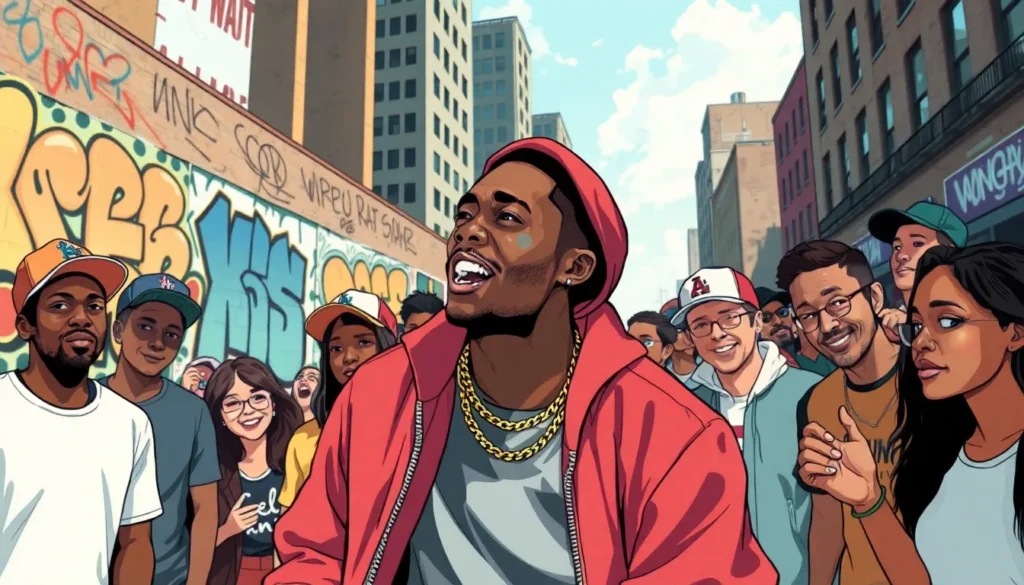
Rap isn’t just music; it’s a cultural phenomenon that’s shaped generations. From the streets to the charts, iconic figures in rap have turned their life stories into lyrical masterpieces, proving that rhymes can change the world. Whether it’s spitting bars about struggle or celebrating success, these artists have a knack for turning everyday experiences into unforgettable anthems.
Overview of Rap Iconic Figures
Rap iconic figures represent key influences within the genre, shaping its direction and impact. Their stories often reflect diverse backgrounds and experiences, turning personal narratives into relatable lyrics. Artists like Tupac Shakur and The Notorious B.I.G. exemplify the raw reality of life while addressing societal issues.
Influential figures in rap culture, such as Jay-Z and Nas, leverage their platform to inspire and motivate millions. Their lyrical artistry often illustrates broader themes such as resilience, ambition, and socio-political commentary.
In addition, women in rap, like Queen Latifah and Missy Elliott, contribute significantly to the genre’s evolution. Their presence challenges stereotypes, showcasing strength and creativity.
Collaborations among iconic figures further enrich the rap landscape. Famous partnerships, such as those between Kanye West and Jay-Z, often result in groundbreaking work that pushes artistic boundaries.
Emerging artists continue to be inspired by legendary figures, carrying their legacies forward. They reinterpret these influences, resulting in fresh sounds that maintain the genre’s relevance in contemporary culture. Each iconic figure brings a unique perspective, enriching the ever-evolving narrative of rap.
Rap serves as more than just a musical genre; it functions as a vital voice for marginalized communities. Iconic figures illustrate the transformative power of expression, highlighting the intersection of art and activism. Their contributions resonate, ensuring that rap remains a significant force in music and culture today.
Historical Context of Rap

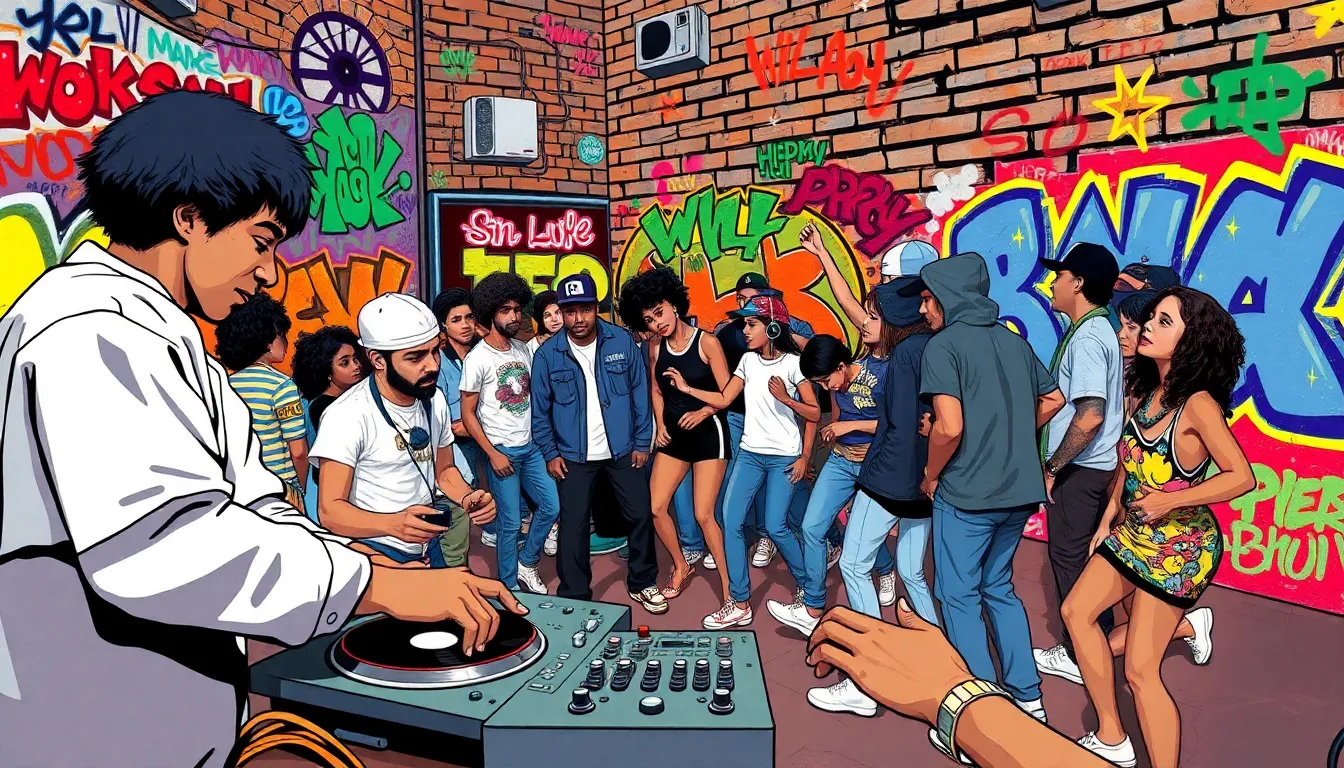
Rap’s roots lie in a blend of various cultural and musical traditions. The genre emerged in the 1970s in the South Bronx, combining spoken word and rhythm to address the social and economic struggles of urban communities.
Origins of Hip-Hop Culture
Hip-hop culture originated from block parties featuring DJs and MCs. DJ Kool Herc, considered a pioneer, introduced breakbeat DJing, which became a foundation for hip-hop music. Graffiti art and breakdancing also became integral to this culture, reflecting creativity and resistance. Local youth utilized this platform to express societal issues, establishing a powerful medium for activism.
Influential Early Artists
Early hip-hop artists shaped the movement with their bold styles and impactful messages. Grandmaster Flash and the Furious Five released “The Message,” tackling urban poverty and violence. Afrika Bambaataa contributed to hip-hop’s growth, promoting unity and peace through music. Run-D.M.C. merged rock influences, increasing rap’s mainstream appeal. These artists provided crucial perspectives, laying the groundwork for future generations in the genre.
Notable Rap Iconic Figures
Rap features legendary artists whose influence resonates across generations. Their lyrics blend personal experiences with broader cultural themes.
Tupac Shakur
Tupac Shakur stands as a cultural icon known for his profound impact on hip-hop. Born in 1971, he gained fame for his raw lyricism that addressed themes of racism, poverty, and violence. Albums like “All Eyez on Me” showcase his ability to weave storytelling with emotional depth. His multifaceted persona included being a poet and actor, which further solidified his legacy. Tragically, his life ended in 1996, yet his messages continue to inspire new artists in the genre.
The Notorious B.I.G.
The Notorious B.I.G., born Christopher Wallace in 1972, transformed rap with his unique style and lyrical prowess. Known for his storytelling ability, he crafted vivid narratives in hits like “Juicy” and “Big Poppa.” His influence extended beyond music; he became a symbol of the East Coast hip-hop scene. Collaborations with artists such as Puff Daddy highlighted his knack for blending melodious hooks with gritty verses. His untimely death in 1997 marked a significant loss for the rap community.
Jay-Z
Jay-Z emerged as a defining figure in rap culture since the late 1990s. Hailing from Brooklyn, his entrepreneurial spirit complements his music career, evident in albums like “The Blueprint.” His lyrics often reflect personal ambition, social issues, and cultural struggles. Over the years, he expanded his influence through businesses like Roc Nation and focused on social justice initiatives. Jay-Z’s ability to adapt and innovate ensures his lasting relevance in the industry.
Nas
Nas, revered for his complex lyricism, debuted with the iconic album “Illmatic” in 1994. His work often delves into themes of urban life, identity, and social injustices. Collaborations with legends and contemporary artists alike showcase his versatility. Nas continues to evolve his sound while staying true to his roots, reinforcing his status as a respected figure in rap. His contributions extend beyond music; he champions educational initiatives aimed at empowering youth.
Impact on Music and Culture
Rap influences music and culture significantly. Iconic figures within the genre shape the narrative and soundscape, leaving a lasting impression on future artists and audiences.
Influence on Future Generations
Legacy plays a considerable role in rap. Artists like Tupac Shakur and Jay-Z set standards through their unique styles and powerful messages. Emerging rappers frequently draw inspiration from their lyrical depth and storytelling abilities. They also explore themes such as resilience and identity, building on the groundwork laid by past legends. The rich history of rap motivates new artists to innovate while honoring traditions. Young performers often cite these iconic figures as catalysts for their musical journeys.
Contributions to Social Movements
Rap serves as a critical voice in social movements. Many artists address systemic issues in their lyrics, bringing attention to vital social justice causes. Figures like Kaepernick and Common leverage their platforms to advocate for change, challenging inequalities through their work. Women’s contributions also reshape narratives, as artists like Queen Latifah champion representation and empowerment. United, these voices amplify messages that resonate with marginalized communities, fostering solidarity and awareness. Through collaborations, artists strengthen movements, reinforcing the genre’s role as a vehicle for social change.
Rap continues to be a powerful force that shapes cultural narratives and influences social change. The iconic figures within the genre not only reflect personal experiences but also address broader societal issues. Their contributions resonate deeply with audiences and inspire new generations of artists.
As rap evolves, it remains a vital medium for expression and activism. The legacy of these artists ensures that rap will continue to challenge stereotypes and empower marginalized voices. The genre’s ability to adapt while staying true to its roots highlights its significance in both music and culture.


