
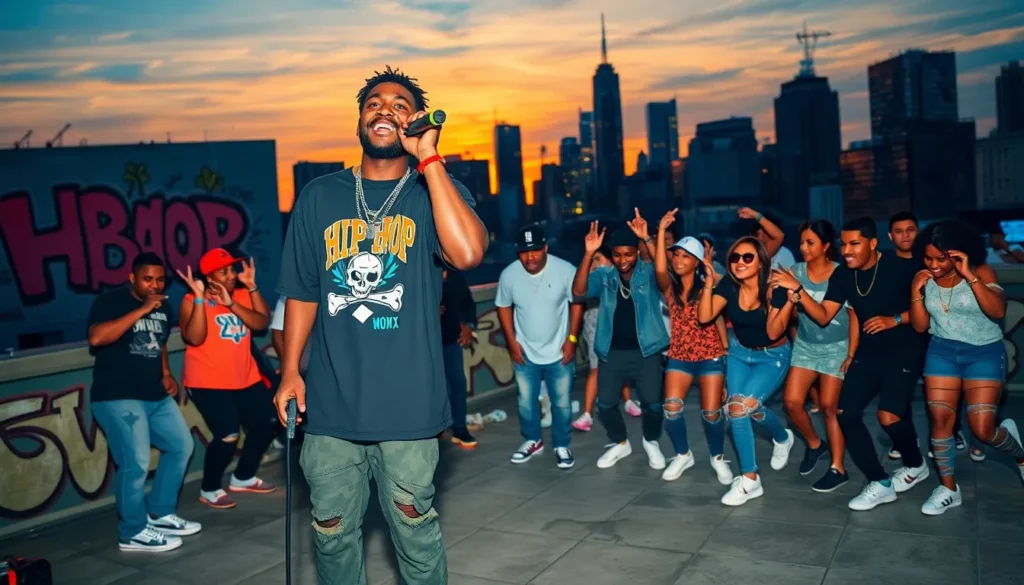
Hip hop is more than just music: it’s a movement that encapsulates culture, style, and a way of life. So, what is this rhythm that has captivated millions and influenced the world? Picture this: streets alive with the sound of breakbeats, graffiti splashed across urban landscapes, and poets-turned-rappers voicing their truths. It’s a vibrant tapestry woven from history, creativity, and undeniable talent. In this text, we’ll embark on a journey through the origins of hip hop, its evolution, and the technology that fuels it. Fasten your seatbelt as we jump into this rhythmic revolution.
The Origins Of Hip Hop
Cultural Influences And Historical Context
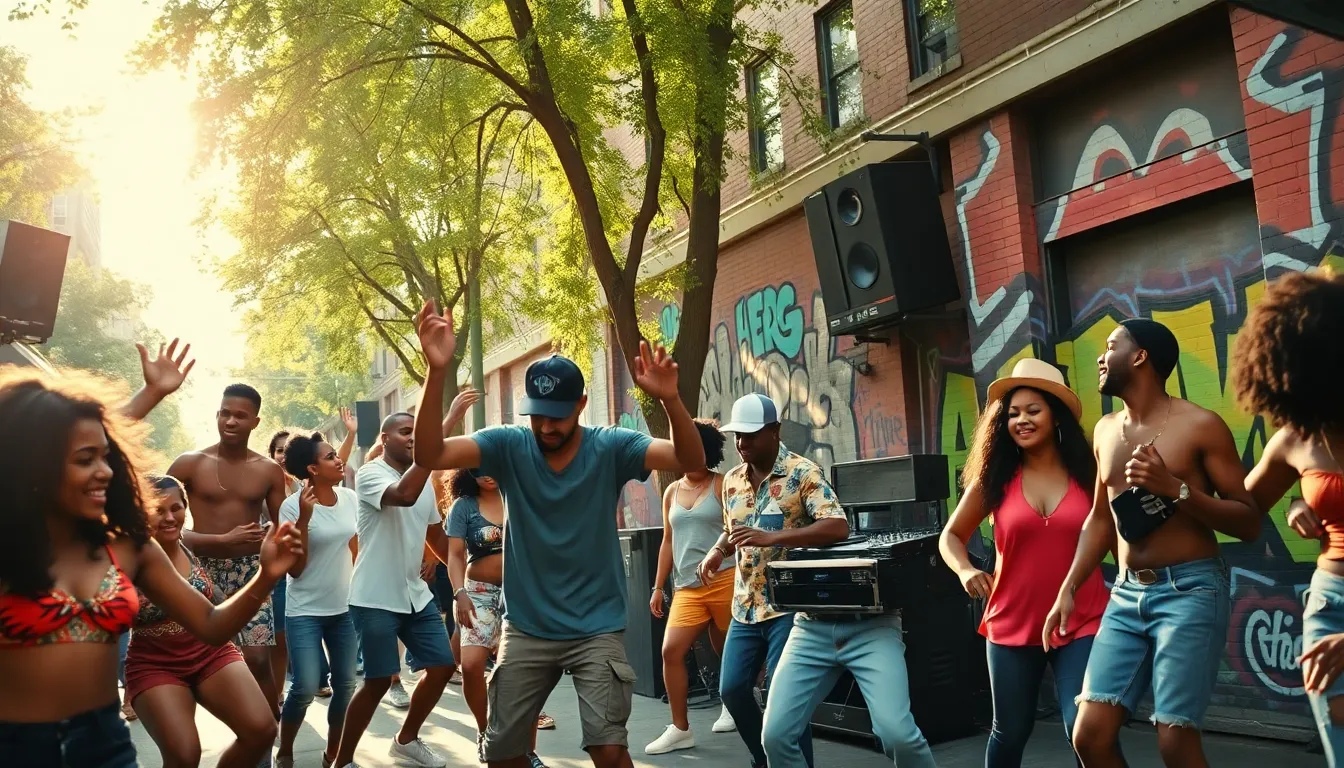
Hip hop traces its roots back to the 1970s in the Bronx, New York. This birthplace didn’t just pop out of thin air: it emerged from a rich history shaped by African-American, Latino, and Caribbean communities. The socio-economic conditions of that era set the backdrop for a vibrant culture. People sought an outlet, a way to express their struggles, joys, and resilience. DJs would spin records, creating beats that kept the crowds moving. Block parties became a norm, fostering a sense of community. It was here that hip hop’s four elements, MCing, DJing, graffiti art, and breakdancing, began to flourish into a cultural phenomenon.
Key Pioneers And Innovators
No discussion about hip hop is complete without acknowledging the pioneers who shaped its sound. Figures like Kool Herc, widely regarded as the godfather of hip hop, introduced sound systems to block parties, creating the blueprint for the genre’s high-energy atmosphere. Then came Grandmaster Flash, known for his innovative turntable techniques. He raised the bar by manipulating records, engaging audiences in exhilarating ways. These artists paved the way for many others, proving that music could be an effective tool for storytelling and cultural expression.
The Evolution Of Hip Hop Genres
Mainstream Vs. Underground Hip Hop
As hip hop gained popularity, it naturally branched into two distinct paths: mainstream and underground. Mainstream hip hop is characterized by polished production, catchy hooks, and often commercial themes designed for radio play. Artists like Drake and Nicki Minaj have dominated this space, attracting pop culture’s attention and typically reaching a wider audience.
On the flip side, underground hip hop tends to focus on artistry and authenticity. It showcases artists whose messages resonate deeply with their communities, often addressing socio-political issues. Think of acts like Talib Kweli and Mos Def, whose thought-provoking lyrics push listeners to engage critically. The underground scene represents the heartbeat of hip hop, where raw talent thrives and creativity flourishes.
Subgenres And Their Characteristics
Within hip hop, various subgenres have emerged, each with unique characteristics. For instance, East Coast hip hop is known for its intricate lyrics and storytelling, while West Coast hip hop often leans into laid-back beats and a celebration of lifestyle. Southern hip hop, with its heavy basslines, birthed the crunk and trap scenes, exemplifying the genre’s diversity. Each subgenre reflects cultural nuances and regional identities, further enriching hip hop’s landscape.
The Role Of Technology In Hip Hop Production
Sampling And Beat-Making Techniques
Technology has played a crucial role in shaping hip hop. One significant innovation is sampling, the practice of incorporating snippets of pre-existing music into new compositions. This technique has allowed producers to create new soundscapes and broaden the genre’s musical palette. Artists like J Dilla and Kanye West have masterfully employed sampling techniques, breathing life into classic tunes while putting their own spin on them. Beat-making has also seen advancements, moving from traditional hardware to software like Ableton Live, allowing for intricate layering of sounds and explorations of new rhythms. The infusion of technology continues to redefine the boundaries of what hip hop can be.
Digital Platforms And Social Media Influence
Hip Hop’s Impact On Society And Culture
The digital age has exploded hip hop into global consciousness. Platforms like Spotify and YouTube have made it easier for artists to share their music, without the constraints of traditional record labels. So, more voices are emerging, championing diversity within the genre. Social media further amplifies this impact, allowing for instant connections between artists and fans. Hashtags, viral challenges, and shared experiences create a tight-knit community where hip hop thrives, crossing borders and uniting people around shared themes. It’s not just about the music: it’s a reflection of society and an instrument for cultural dialogue.
Hip Hop As A Tool For Social Change
Hip hop has long been recognized as a powerful vehicle for social change. Artists use their platforms to address pressing social issues such as racism, poverty, and systemic inequality. Songs like “Fight the Power” by Public Enemy and “Alright” by Kendrick Lamar resonate deeply, sparking conversations about justice and empowerment. This genre has the unique ability to voice the struggles of the marginalized, making it an essential part of activism. Hip hop rallies communities, inspiring collective action and instigating change on both local and global scales.


