

Have you ever wondered what makes light classical music the perfect soundtrack for a Sunday afternoon? Imagine lounging on a comfy couch, sipping your favorite beverage, as delicate melodies whisk you away to a world of serenity. With its blend of charm and elegance, light classical music has a unique ability to soothe the soul while gently sparking joy. But what is it exactly? Well, this article delves deep into the captivating world of light classical music, highlighting its characteristics, notable composers, and even how to weave it into the fabric of daily life. Whether you’re a seasoned aficionado or just curious, hang on tight, this is going to be an enlightening journey.
The Characteristics of Light Classical Music
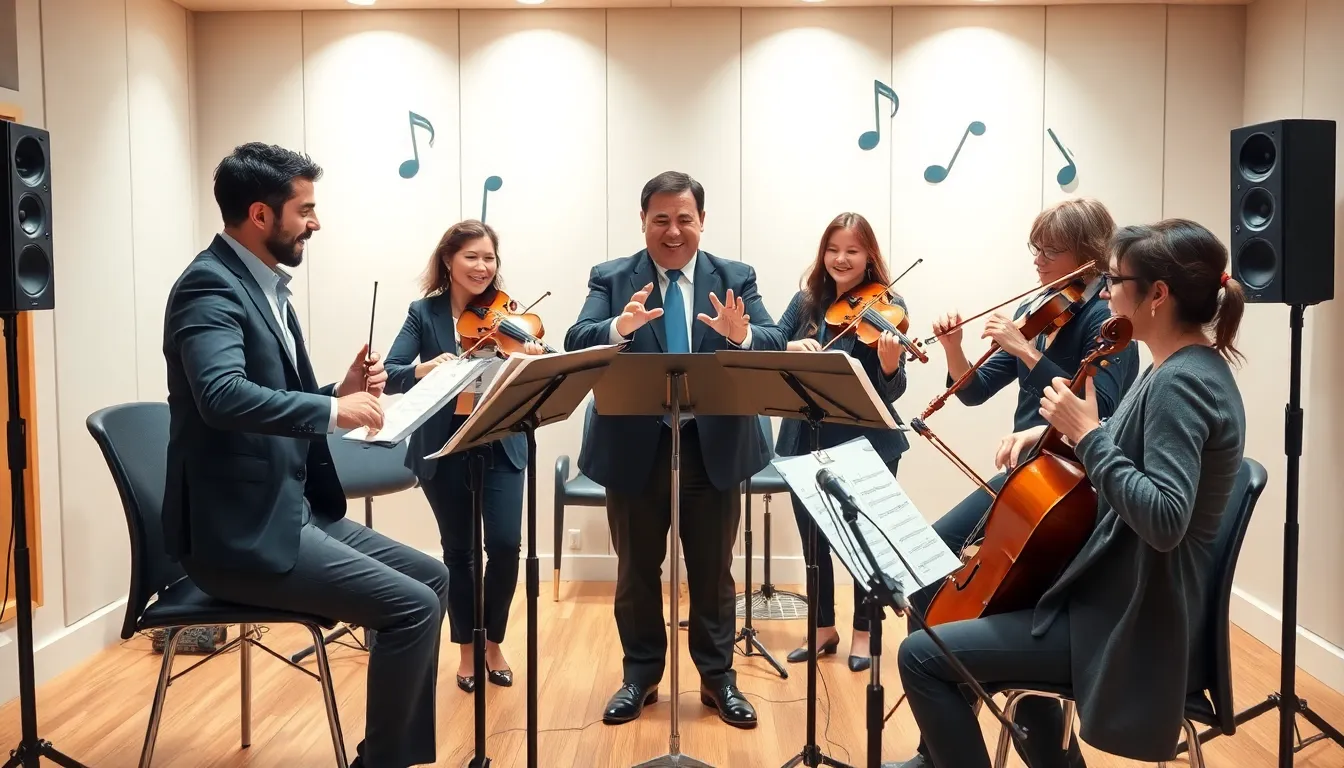
Light classical music is characterized by its accessibility and engaging melodies. Unlike the more complex and often dense compositions found in traditional classical music, light classical pieces tend to be more straightforward, inviting listeners to connect effortlessly. Typically, these works are cheerful and tuneful, often featuring catchy harmonies that linger in the mind.
Simplicity and Melodic Appeal
One notable feature is the simplicity of the compositions. This music often relies on a clear structure, making it easy to follow. You might notice repetitive phrases or motifs which give it an almost familiar feeling. This is why light classical music resonates with so many people. It isn’t just for the music-savvy, it’s for anyone who appreciates a lovely tune. Plus, the orchestration usually involves a smaller ensemble, such as strings or woodwinds, maintaining a light and airy sound.
Emotional Evocative Power
Another defining characteristic is the emotional landscape it creates. This genre often transports listeners through various moods, from nostalgic and reflective to joyful and celebratory. The gentle dynamics lend themselves well to both quiet moments and vibrant celebrations. So whether one seeks peaceful background music for reading or something more upbeat for a gathering, light classical music offers the perfect auditory companion.
Notable Composers in Light Classical Music
When discussing light classical music, one cannot overlook the influential composers who have contributed to this delightful genre. They have crafted pieces that continue to enchant audiences worldwide.
Johann Strauss II
One of the standout figures is Johann Strauss II, often regarded as the “Waltz King.” His compositions, such as The Blue Danube, play a pivotal role in popularizing the waltz, making it synonymous with merriment and elegant soirées. His music encapsulates the very essence of light classical music, where rhythm and melody intertwine beautifully.
Franz Schubert
Another notable composer would be Franz Schubert, whose work embodies simplicity blended with profound emotion. Pieces like his Ave Maria evoke a serene grace, giving an almost ethereal quality to light classical music. Schubert’s ability to evoke deep feelings through seemingly simple melodies illustrates why his works are still cherished today.
Leroy Anderson
More modern contributions come from Leroy Anderson, whose compositions are playful and often feature unexpected twists. His piece, Sleigh Ride, remains a holiday favorite, showcasing how light classical music can infuse joy and laughter into our everyday lives.
Popular Pieces and Genres
There’s a vast array of popular pieces and genres falling under the umbrella of light classical music. From intimate chamber works to lively orchestral compositions, there’s something for everyone.
A Mix of Forms
One of the most well-known pieces is the aforementioned The Blue Danube by Strauss. Its buoyant rhythms invite dancers to glide gracefully across the floor. Another beloved work is Mendelssohn’s Night Song, which provides a charming backdrop of calm.
Light Orchestral Works
Also, light orchestral works by composers like Edward Elgar, particularly his “Nimrod” from the Enigma Variations, demonstrate a delicately rich texture that captivates listeners. This blend makes it a staple in both concert halls and film soundtracks.
The World of Light Opera
Genres like light operetta also fit snugly into this category. The works of Gilbert and Sullivan, for instance, are brimming with wit and delightful melodies, making them perennial favorites in performance spaces. Their works, such as The Mikado, showcase humor while maintaining a light-hearted classical touch.
The Role of Light Classical Music in Different Settings
Light classical music occupies a unique space in various environments where its soothing yet uplifting qualities can shine.
In Everyday Life
From coffee shops to upscale restaurants, this genre provides a refined yet relaxed ambiance. Think of a cozy café where the gentle strains of light classical music play in the background as patrons sip their lattes, this creates an inviting atmosphere that enhances the overall experience.
Special Occasions
Also, in celebratory settings like weddings, light classical music often serves as the perfect accompaniment to memorable moments. Imagine a bride walking down the aisle to a lovely piece by Pachelbel. The atmosphere becomes magical, creating fond memories for all involved.
Professional Settings
Within offices and corporate environments, light classical music can boost productivity and reduce stress. Research suggests that background music, especially of a lighter nature, can maintain focus and promote a calm working environment, making it a practical choice for busy professionals.
The Influence of Light Classical Music on Popular Culture
Light classical music has infiltrated popular culture in ways that many might not immediately recognize. It often pops up in movies, commercials, and even as part of mainstream musical acts.
Cinematic Choices
For instance, films ranging from romantic comedies to expansive epics frequently use light classical music to enhance emotional depth. This creates memorable scenes that resonate with audiences long after the credits roll.
Cross-Genre Collaborations
Also, collaborations between classical musicians and popular artists continue to merge the boundaries of genres. These intersections breathe new life into familiar melodies, proving that light classical music has a timeless quality. One can find classical pieces reimagined in contemporary styles that appeal to modern listeners.
How to Enjoy and Incorporate Light Classical Music into Your Life
Integrating light classical music into daily life can be simple and rewarding.
Curate Your Playlist
Start by building a playlist featuring a variety of composers and pieces. Include gems from Strauss, Schubert, and even some Leroy Anderson favorites. Portability is key here, music streaming platforms allow easy access to expansive libraries where you can explore further.
Setting the Mood
Consider the perfect moments to infuse your life with light classical music. Whether it’s during a quiet dinner, as background music for a gathering, or even while working, tailoring your listening experience can enrich your day significantly.
Attend Live Performances
And don’t forget about live concerts. Attending performances at local theaters or orchestras can deepen appreciation. Experiencing music in person adds an unforgettable layer to enjoyment, it’s where the energy of the performers meets a captivated audience.


