
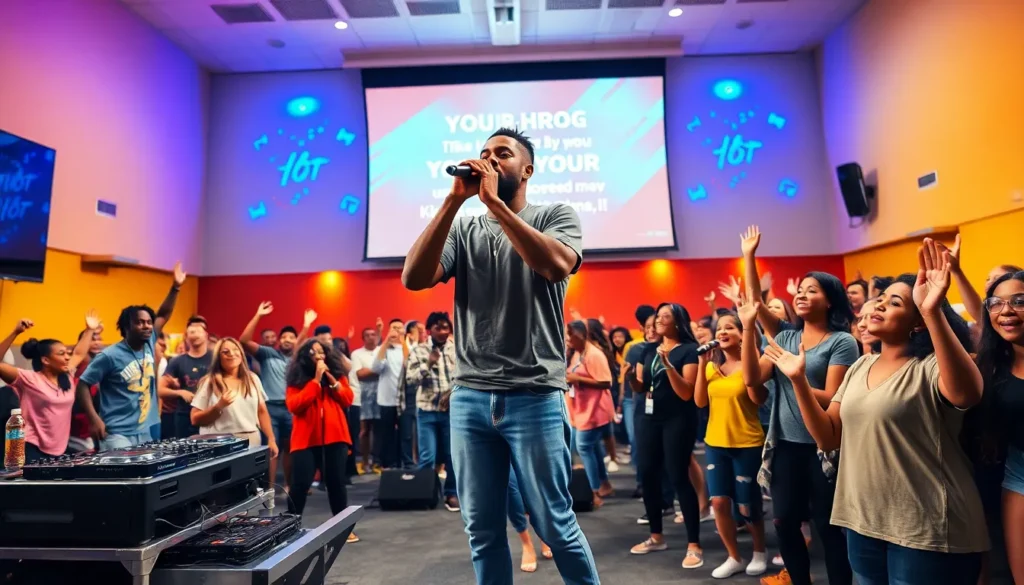
Imagine stepping into a vibrant church where the pulpit echoes not with tradition but with beats that make you want to nod your head and tap your feet. Welcome to the world of Hip Hop Gospel Music. This genre has taken the spiritual landscape by storm, marrying the rhythm of hip hop with profound messages of faith. It’s like a holy party that invites your soul to dance while uplifting your spirit. So, buckle up as we jump into this dynamic fusion that’s changing lives and influencing communities all around.
The Origins of Hip Hop Gospel Music
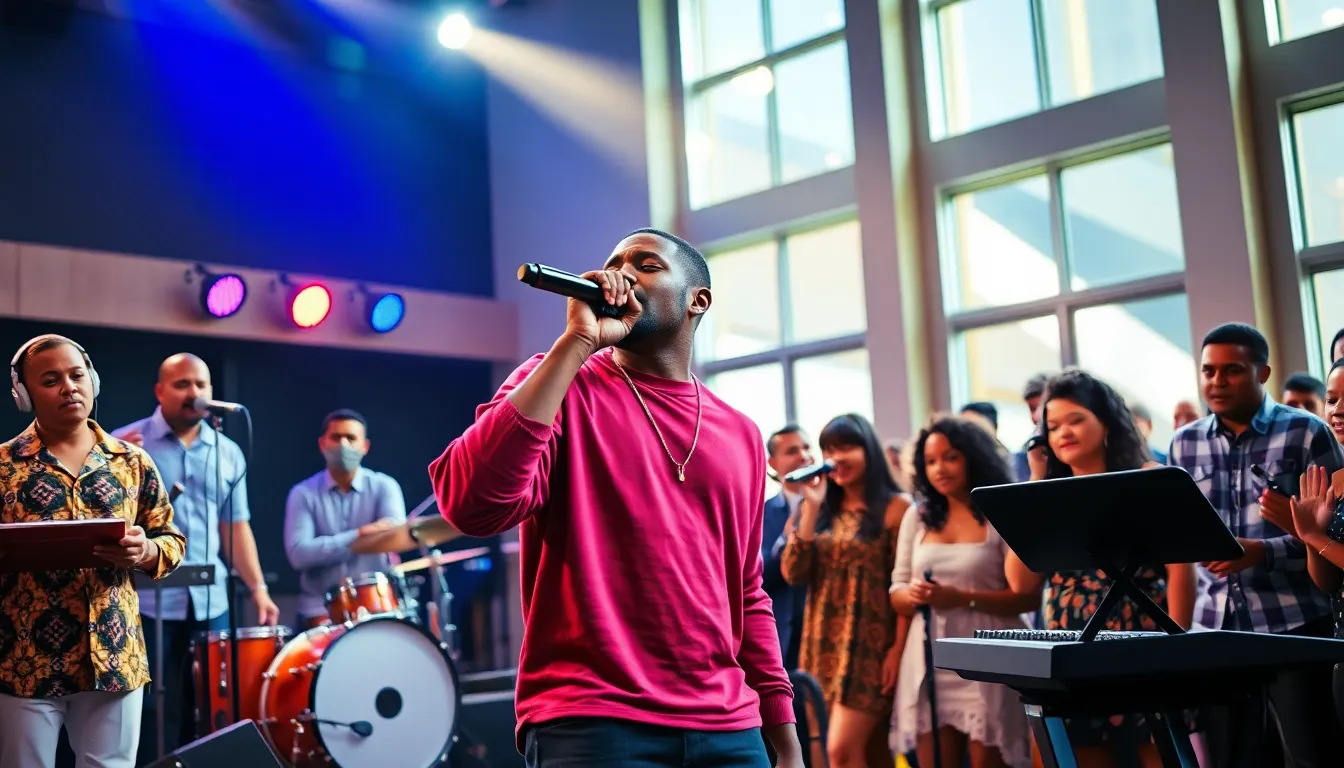
Hip Hop Gospel Music traces its roots back to the late 20th century when gospel, hip hop, and rhythm & blues began to intertwine. Initially emerging in African American communities, the genre sought to connect the energetic vibes of hip hop culture with the deep-seated traditions of gospel music. Artists like Kurtis Blow were pioneers: his song “Christmas Rappin'” laid the groundwork by incorporating biblical references into rap lyrics. Similar sounds caught on in churches, creating a genre that’s not only entertaining but also spiritually enriching. The first hip hop gospel artists embraced their upbringing in the church and fused it with contemporary rap styles, creating a tapestry of beats and messages that spoke to the youth and offered them a spiritual narrative through an accessible medium.
The Cultural Impact of Hip Hop in the Church
The introduction of hip hop into the church wasn’t merely a musical shift, it was a cultural revolution. Hip hop Gospel transformed the way young people engage with their faith, allowing them to express spirituality through a language they understand. This genre has empowered churches to embrace the youth culture instead of resisting it. Many congregations report an increase in attendance among younger generations, who resonate with the rhythmic flow and relatable messages. This revival of interest is visible in everything from church events that feature live rap performances to Sunday services that incorporate new sounds and styles, offering a fresh take on traditional worship. Not only does this movement bring in new perspectives, it also connects different communities by using hip hop as a bridge for dialogue and spiritual growth.
Key Artists and Their Contributions
A few artists have truly defined the landscape of hip hop gospel music. Notably, Lecrae has emerged as a leading figure, breaking barriers while integrating his faith into mainstream culture. His album, “Gravity,” was a game changer, addressing issues of faith and identity with powerful lyrics and engaging beats. Another notable artist is Kirk Franklin, who blended traditional gospel sounds with hip hop elements, paving the way for others in the genre. His energetic performances have gathered diverse audiences, making gospel music more accessible and enjoyable.
Also, artists like NF and Andy Mineo have carved their own niches within the genre, infusing personal struggles and triumphs into their lyrics which resonate deeply with listeners. Their music often tackles life challenges through a spiritual lens, showing how faith and hip hop can coexist harmoniously.
Themes and Messages in Hip Hop Gospel
While hip hop gospel music brings catchy beats, its heart lies in profound themes: redemption, faith, and resilience. Artists frequently share stories of personal struggles, celebrating the journey towards spiritual enlightenment. Lyrics often touch on overcoming adversity, the importance of community, and the glory of God, inviting listeners to reflect and engage. This genre doesn’t shy away from addressing tough realities: instead, it embraces them, illustrating the power of faith in navigating life’s storms. Themes of love, forgiveness, and hope not only uplift spirits but also foster a sense of unity and empowerment among listeners. The raw authenticity of hip hop gospel allows individuals to connect with their spirituality in a relatable way, encouraging them to spread positive messages and cultivate strong community ties.
The Evolution of Hip Hop Gospel Music
Over the past few decades, hip hop gospel music has experienced remarkable evolution. The genre has growjjjnnn to include various styles, from trap beats to soulful melodies, reflecting the diversity of its artists and audiences. Originally, hip hop gospel music was a niche within both the hip hop and gospel sectors, but it has now gained mainstream recognition. Collaborations between gospel rappers and mainstream hip hop artists have broadened its appeal, reaching audiences well beyond the church. What once may have been considered unconventional is now celebrated at award shows and major music festivals, demonstrating the genre’s growth and acceptance.
This evolution speaks to a broader cultural trend where creativity knows no boundaries, blending genres and cultural influences. As hip hop gospel music continues to thrive, its potential to reach new audiences and communicate important messages remains limitless.
How to Listen and Appreciate Hip Hop Gospel Music
Listening to hip hop gospel music is not just about enjoying the beats: it’s about engaging with the messages. To truly appreciate this genre, one should approach it with an open heart and mind. Start by exploring different artists and sounds to understand the range of styles within hip hop gospel. Take time to read the lyrics: you might find yourself moved by personal stories and powerful reflections on faith. Attend live concerts or church events featuring hip hop gospel artists, as the energy in these environments offers a unique experience that can’t be captured through recordings alone.
Discussing the themes with friends or within church groups can deepen the appreciation of the music and its messages. Encouraging others to listen and share their perspectives can foster community and further amplify the impact of this uplifting genre.


