
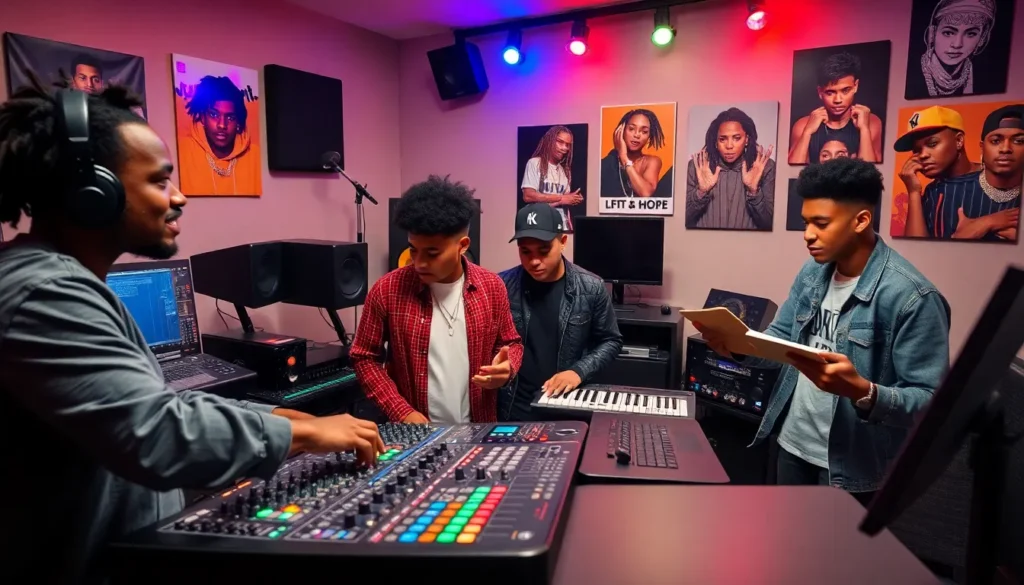
Hip-hop beats are the heartbeat of a genre that’s taken the world by storm. They’re not just a backdrop for lyrics; they’re the magic that makes listeners nod their heads and tap their feet. From the classic boom-bap to the trap-infused anthems dominating today’s charts, these beats pack a punch that can turn any average day into a party.
Overview of Hip-Hop Beats
Hip-hop beats serve as the foundation of the genre, driving its rhythm and enhancing artistic expression. They play a crucial role in engaging fans and defining the sound of hip-hop.
Definition and Importance
Hip-hop beats encompass various rhythmic patterns, samples, and instrumentation, creating a backdrop for lyrical delivery. Their importance lies in creating an emotional connection between artists and listeners. Rhythmic elements dictate the flow and pacing of lyrics, shaping how messages are conveyed. Engaging beats can amplify the impact of themes and storytelling within tracks. Therefore, understanding these beats is essential for both music creators and fans alike.
Evolution of Hip-Hop Beats
The journey of hip-hop beats mirrors the genre’s growth, showcasing significant transformations over time. Early boom-bap beats dominated the scene, characterized by heavy basslines and straightforward rhythms. With the rise of technology, producers began incorporating new sounds and styles, leading to the emergence of trap beats in the 2010s. Trap features rapid hi-hats and deep bass, marking a stark contrast to its predecessors. As hip-hop continues evolving, beats draw influences from various genres, reflecting cultural changes and musical innovations.
Elements of Hip-Hop Beats
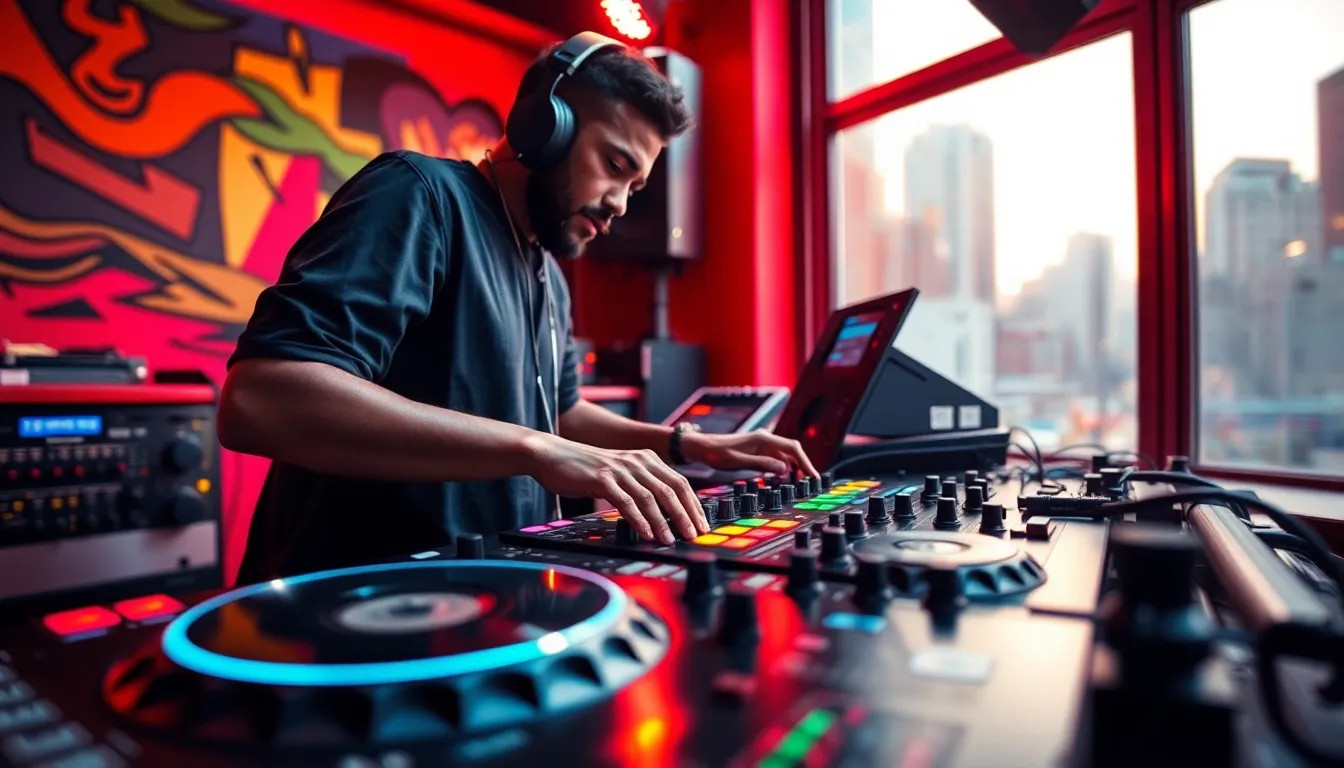
Hip-hop beats consist of key components that shape the genre’s unique sound. Understanding these elements reveals their role in engaging listeners and enhancing artistic expression.
Drums and Percussion
Drums and percussion create the backbone of hip-hop beats. They include kick drums, snares, and hi-hats that provide rhythm and drive. The kick drum often emphasizes the first and third beats, establishing the groove. Snares typically punctuate the second and fourth beats, adding a sharp, rhythmic snap. Hi-hats, whether closed or open, fill in the gaps, contributing to the overall energy. Artists manipulate the tempo to create varying degrees of intensity, resulting in distinct rhythmic patterns that define different hip-hop styles.
Melody and Harmony
Melody and harmony add depth to hip-hop beats, enhancing emotional resonance. Melodic elements often come from synthesized sounds or sampled instruments, creating catchy hooks that draw in listeners. Popular hip-hop tracks frequently utilize simple, repetitive melodies, allowing them to be easily memorable. Harmonies, while less prominent than in other genres, support the melodic line. They enrich the sound by adding layers, creating an atmospheric feel that aligns with lyrical themes. The combination of melody and harmony creates a captivating soundscape for the listener.
Sampling Techniques
Sampling techniques play a critical role in hip-hop production. Producers take snippets from existing songs, thereby giving new life to old tracks. This method can include everything from vocal lines to instrumental riffs. Creative sampling can transform a familiar sound into something fresh and innovative. The art of manipulation allows producers to alter pitch and tempo to fit their unique vision. By incorporating clever samples, they contribute to the genre’s rich history while pushing its boundaries forward.
Popular Hip-Hop Beat Styles
Hip-hop beats come in various styles, each contributing uniquely to the genre. Exploring these distinct beat styles provides insight into their evolution and impact.
Boom Bap
Boom bap defines a classic era in hip-hop. Characterized by its heavy basslines and prominent snare drums, this style emerged in the late 1980s and early 1990s. Producers like DJ Premier and Pete Rock set the standard by using soulful samples to complement the rhythm. The tempo typically ranges from 80 to 95 BPM, enhancing the genre’s lyrical delivery. Artists such as Nas and A Tribe Called Quest epitomize the boom bap sound, blending powerful beats with intricate rhymes. This style’s nostalgic feel continues to resonate, influencing contemporary producers.
Trap
Trap has risen to prominence in recent years, revolutionizing hip-hop’s production landscape. Known for its fast hi-hats, deep 808 bass, and atmospheric synths, trap beats create a distinct sound. Originating in the southern United States, producers like Lex Luger and Metro Boomin popularized this style. The tempo generally falls between 130 to 170 BPM, which energizes tracks and lends itself to catchy hooks. Artists including Future and Migos showcase trap’s versatility by incorporating clever lyrics and unique flows. This style dominates charts today, shaping the future of hip-hop.
Lo-Fi Hip-Hop
Lo-fi hip-hop combines relaxed beats with a laid-back vibe. Often characterized by jazz samples and subdued percussion, this style provides an ambient sound perfect for studying or relaxing. Producers frequently use vinyl records to create warmth and texture, making the music inviting. The repetitive and soothing nature of lo-fi tracks allows for emotional exploration. Artists like Nujabes and J Dilla exemplify this sound, enriching the genre with innovative beats and melodies. Lo-fi hip-hop’s popularity has soared, particularly among younger audiences seeking an escape from the hectic pace of life.
Influential Hip-Hop Producers
Hip-hop beats owe much of their evolution to visionary producers who shaped the genre’s sound. These influential figures not only crafted unique styles but also inspired new generations of music creators.
Pioneers of Hip-Hop Beats
DJ Premier stands as a key figure in the development of boom-bap, delivering hard-hitting beats that define the genre. Pete Rock, another pioneer, infused jazz samples into his productions, creating a rich, melodic backdrop. J Dilla’s innovative work pushed boundaries, combining complex rhythms with emotional depth. These producers established foundational techniques that many current artists continue to use. Their contributions solidified the groove and set a high standard for future hip-hop production.
Contemporary Beat Makers
Kanye West revolutionized hip-hop production by blending eclectic samples with modern sounds, pushing the genre into the mainstream. Metro Boomin brought trap to the forefront, known for his signature 808s and catchy melodies, influencing several artists today. Nick Mira, a prominent figure in recent years, has created hits for numerous rising stars, emphasizing catchy hooks. Other producers, such as Hit-Boy and Murda Beatz, continue to shape the soundscape, experimenting with styles and genres. Their innovative approaches reinforce the ongoing evolution of hip-hop beats, connecting with audiences globally.
Hip-hop beats are more than just background music; they’re the heartbeat of the genre. As they continue to evolve, they reflect cultural shifts and musical innovations that keep hip-hop vibrant and relevant. The diversity in styles from boom bap to trap and lo-fi showcases the genre’s adaptability and creativity.
Producers play a pivotal role in this evolution, constantly pushing boundaries while honoring the genre’s rich history. The emotional connection forged through these beats not only engages listeners but also inspires new artists to explore their own musical journeys. Hip-hop beats will undoubtedly remain a driving force in the music landscape, shaping the sounds of tomorrow.


