
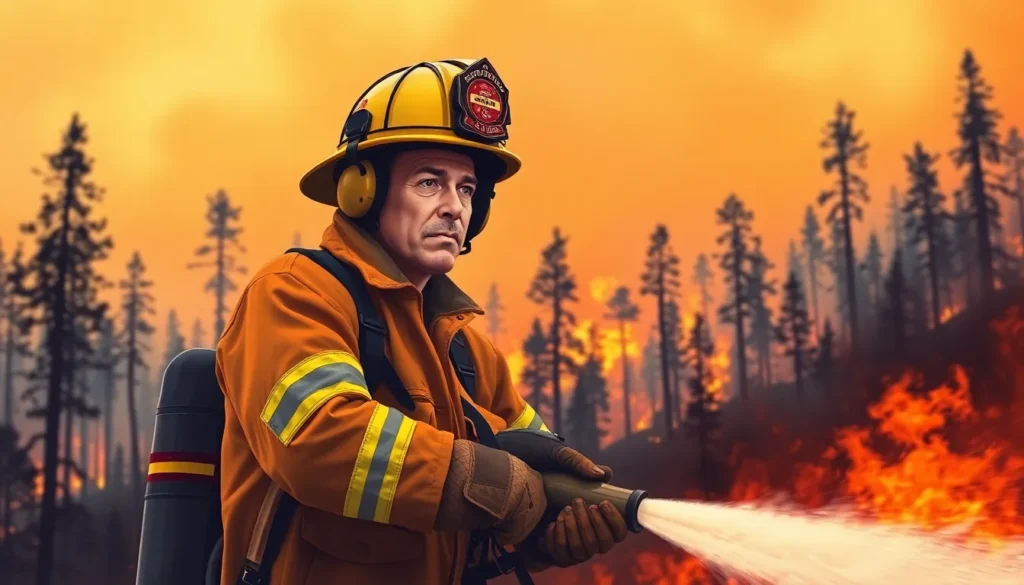
Wildfires in Washington State have a knack for stealing the spotlight, and today’s no exception. With flames dancing across the landscape, it’s a reminder that Mother Nature can be both beautiful and a bit of a drama queen. The state’s lush forests and stunning vistas are now battling the heat, leaving residents and firefighters alike on high alert.
As the smoke rises and the temperatures soar, it’s crucial to stay informed about the latest developments. Whether you’re a local or just a curious observer, understanding the current fire situation can make all the difference. Grab your favorite beverage and settle in, because the story of Washington’s wildfires today is one that demands attention—and perhaps a dash of humor to lighten the mood amidst the chaos.
Overview of Fires in Washington State Today
Wildfires currently threaten various regions throughout Washington State. The state’s Department of Natural Resources reports several active fires, some spanning hundreds of acres. In Yakima County, for instance, a fire has burned over 400 acres, prompting local evacuations. Firefighters are working diligently to contain these blazes, utilizing aerial resources and ground crews.
Temperature increases contribute significantly to fire behavior. High temperatures combined with low humidity create ideal conditions for fire spread. In Eastern Washington, multiple fires grow in size and intensity, challenging firefighting efforts. These conditions raise concerns for air quality, affecting nearby communities.
Residents in affected areas should stay updated through local news channels and official state resources. The Washington State Emergency Management Division provides real-time information about evacuations and safety measures. Additionally, social media platforms serve as valuable resources for immediate updates from firefighters and community leaders.
Communities near wildfire zones are experiencing anxiety and uncertainty. Available shelters offer refuge for displaced families. Volunteer organizations assist with resources and support, showing the strength of community solidarity amid crises.
Data from previous years indicates an increase in wildfire frequency in Washington State. Increased temperatures and changes in precipitation patterns likely exacerbate these trends. Continued monitoring of weather patterns and fire activity is crucial for mitigating future risks.
Current Fire Situation
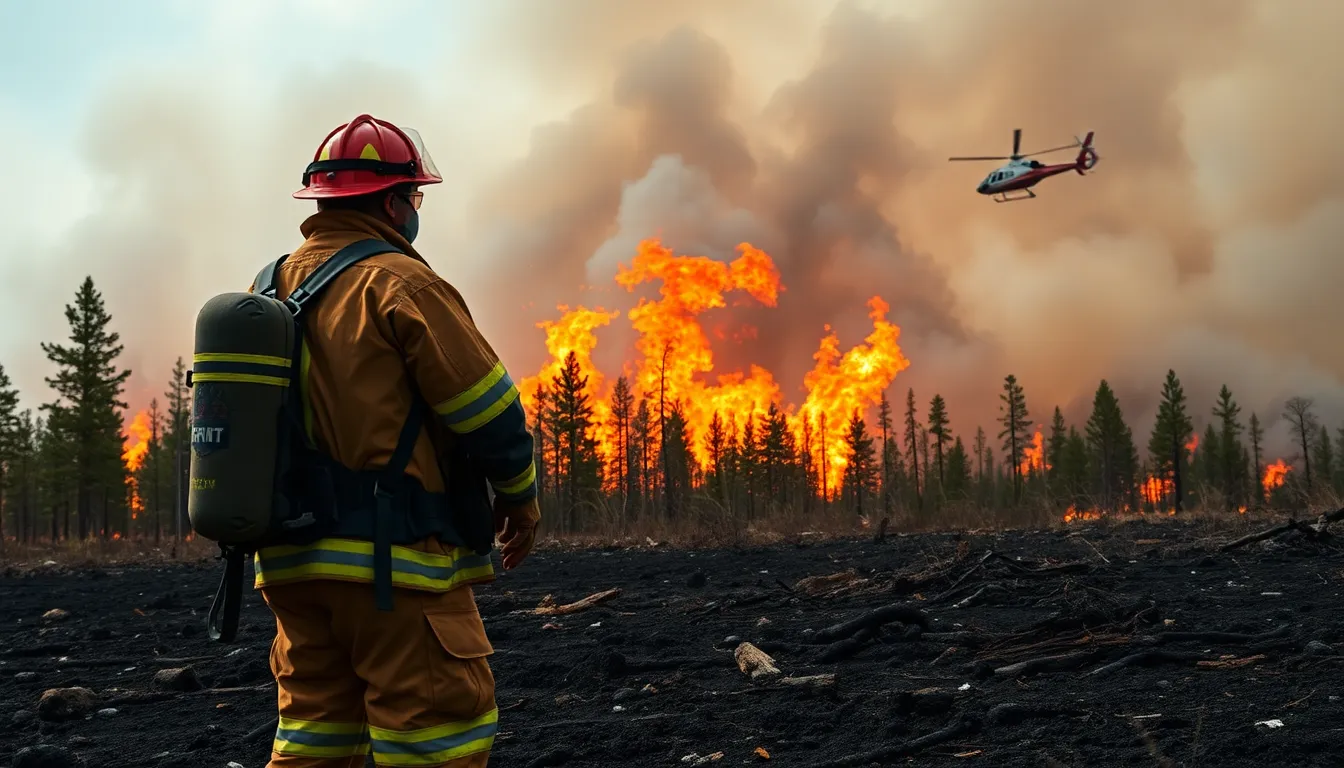
Fire activity in Washington State escalates as several wildfires continue to threaten local communities. Reports indicate that conditions remain precarious, with firefighters actively battling multiple blazes.
Active Fires and Locations
Yakima County currently faces significant wildfire threats, with one fire consuming over 400 acres. Nearby regions, such as Spokane and Okanogan Counties, also report active fires, each contributing to the growing concerns for public safety. Moreover, some wildfires have led to mandatory evacuation orders, emphasizing the urgency for residents to remain vigilant.
Fire Management Efforts
Firefighters employ aerial support and ground crews to combat the flames aggressively. Coordination between local agencies and the Department of Natural Resources aims to enhance containment strategies. Community members participate in collaborative efforts, assisting with resources and logistics. Agencies stress the importance of continuous updates through local news and official channels to ensure public safety.
Impact on Communities
Ongoing wildfires in Washington State significantly affect local communities. Various regions face critical challenges as residents adapt to these rapid changes.
Evacuations and Displacement
Evacuations become mandatory for residents in Yakima, Spokane, and Okanogan Counties as fire activity increases. Over 400 acres have burned in Yakima alone, prompting immediate responses from local authorities. Temporary shelters open for families displaced by the flames, providing essential refuge amid chaos. Community members actively support one another, delivering necessary resources and coordinating logistics to assist those affected. Local agencies work together to help families return safely when conditions permit.
Environmental Concerns
Environmental impacts from the wildfires raise alarms about air quality and ecosystem integrity. Smoke pollution spreads through the air, affecting nearby communities’ health. Rising temperatures and low humidity exacerbate these issues, fueling fire intensity and frequency. Wildlife habitats suffer as vegetation burns, leading to longer-term ecological consequences. Community morale remains a priority as residents grapple with these environmental changes. Monitoring continues to assess damage and protect the natural landscape crucial to the region’s identity.
Health and Safety Measures
Residents in Washington State face immediate health and safety concerns due to the ongoing wildfires. Understanding the implications of air quality and available resources proves essential for those affected.
Air Quality Issues
Smoke from wildfires compromises air quality across multiple regions. Poor air quality leads to potential respiratory issues, especially for vulnerable populations such as children and the elderly. Authorities encourage residents to monitor local air quality indexes to stay informed. Staying indoors during peak smoke hours offers some protection. Using air purifiers and keeping windows closed can also help minimize exposure. For additional guidance, official health resources outline steps to mitigate risks associated with smoke inhalation.
Resources for Residents
Support systems for affected residents are actively in place. Local shelters provide safe spaces for those evacuated from their homes, ensuring basic needs are met. Community centers often serve as hubs for essential information and resources. Residents can find updates on assistance programs through local government websites. Access to health services, including mental health support, is crucial as anxiety rises during emergencies. Volunteer organizations contribute by delivering food, supplies, and aid to impacted areas. Staying connected with neighbors fosters a strong support network, allowing them to share resources and stay informed.
Looking Ahead
Fire activity in Washington State continues to pose challenges. Authorities expect worsening conditions with rising temperatures and low humidity, making daily monitoring essential. Health officials urge populations at risk to stay informed about air quality, emphasizing that respiratory issues may arise with deteriorating conditions.
Community members are encouraged to participate in preparedness efforts. Local agencies and volunteer organizations plan to offer resources and guidance for affected residents. Emergency management teams stress the importance of emergency kits, which should include water, non-perishable food, and essential documents.
The Washington State Department of Natural Resources predicts increased fire incidents as climate change impacts intensify. Data reveals a significant upward trend in wildfire frequency over the past decade. Therefore, continuing awareness will be critical for residents as they face this reality.
Constant communication remains vital. Local news outlets provide updates on fire containment efforts and evacuation notices, ensuring that everyone stays informed. Each community plays its part in supporting neighbors, maintaining a strong network during these times.
Local health services prepare to address the rising anxiety related to wildfire threats. Mental health resources are available through community centers, allowing residents to access necessary support. Both social cohesion and resilience are crucial as families cope with these unprecedented challenges.
Planning for future fire seasons emphasizes adaptation and sustained vigilance. Understanding weather patterns and mitigating risks will help communities bolster their defenses against future wildfires. Each proactive measure taken today reinforces the collective effort to protect lives and the environment together.
The wildfires in Washington State serve as a stark reminder of nature’s power and the challenges communities face. As firefighters continue their brave efforts to contain the flames, the importance of community support and preparedness cannot be overstated. Residents are encouraged to remain vigilant and informed while prioritizing their health and safety amid the smoke and evacuations.
With rising temperatures and changing weather patterns, the threat of wildfires is likely to persist. Staying connected with local resources and participating in community initiatives will strengthen resilience against future fire seasons. Each small action contributes to the larger goal of safeguarding lives and the environment, fostering hope in the face of adversity.


