
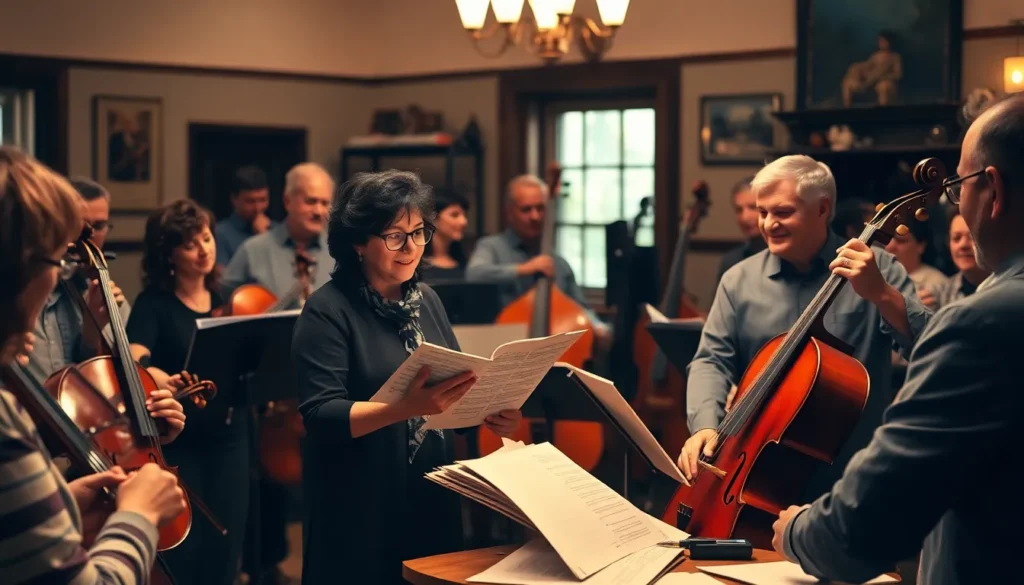
In a world dominated by pop culture and viral trends, classical music often gets left in the dust. But wait! There’s a treasure trove of passionate fans out there, ready to serenade anyone willing to listen. These classical fan communities are not just about stuffy concerts and dusty old scores; they’re vibrant hubs where enthusiasts unite to celebrate the beauty of timeless compositions.
Overview of Classical Fan Communities
Classical fan communities foster a vibrant culture where music lovers connect, exchange ideas, and share their passions. These groups often meet in various settings, such as online platforms and local concert halls, creating opportunities for discussions about composers, performances, and interpretations. Enthusiasts embrace a wide range of activities, from attending live events to participating in virtual meetups.
Enthusiasts gravitate toward specialized forums and social media groups. These spaces allow members to delve into detailed discussions about specific composers, genres, and periods, fostering deeper understanding. Fans frequently share concert reviews, recordings, and personal experiences, enhancing the communal bond through collective enthusiasm.
Local classical music societies often provide in-person experiences, hosting discussions, lectures, and performances. Participants learn about historical contexts and musical techniques while cultivating friendships. Community events promote engagement with local orchestras, chamber groups, and soloists, making classical music accessible and personable.
Many communities also host educational initiatives, introducing newcomers to the genre. Workshops, masterclasses, and outreach programs serve to demystify classic works and attract new audiences. By inviting people of all ages to explore the depths of classical music, these communities contribute to its growth and sustainability.
Some platforms, like podcasts and YouTube channels, focus on educating listeners through engaging content. Hosts analyze works, interview musicians, and present historical insights, making classical music appealing and enjoyable. This approach broadens the fan base, attracting individuals unfamiliar with traditional concert formats.
Overall, classical fan communities embody the passion and enthusiasm of their members. They challenge stereotypes associated with classical music, presenting it as a lively and engaging art form that thrives on connection and collaboration.
Historical Background
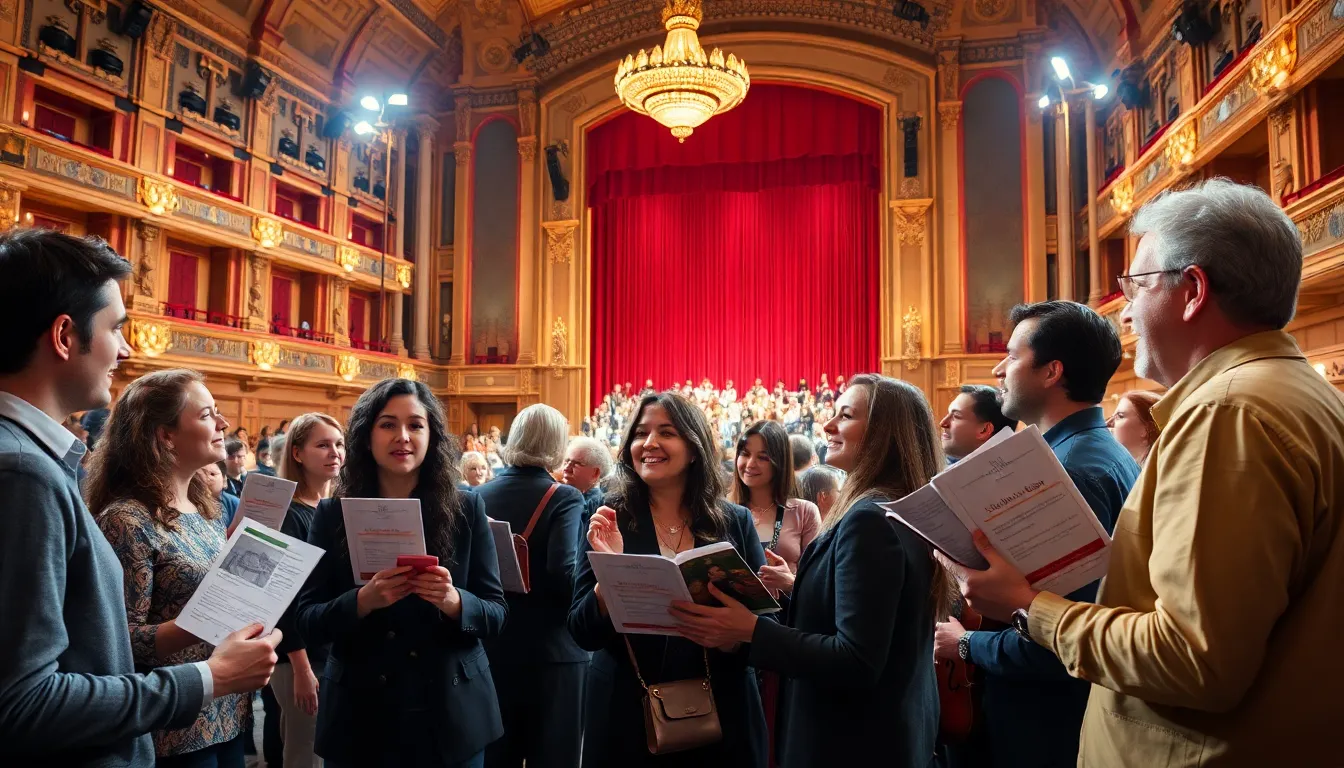
Classical music appreciation has a rich history that dates back centuries. Many factors contributed to its development, fostering a love for the genre among listeners worldwide.
Origins of Classical Music Appreciation
European aristocracy played a major role in nurturing classical music appreciation during the 18th and 19th centuries. Musicians, including Mozart and Beethoven, gained recognition in royal courts. Concerts became formal occasions, encouraging attendance among the elite and sparking public interest. Cultural shifts during the Romantic period further fueled enthusiasm for emotional expression in music. This era saw the establishment of symphonies and opera houses, making classical works accessible to a wider audience and solidifying a foundation for future appreciation.
Evolution of Fan Communities
Fan communities began forming in the 20th century, motivated by increased access to recordings and broadcasts. Enthusiasts engaged through local orchestras and clubs, cultivating shared interests in specific composers and works. Online platforms later emerged, transforming how fans connect and communicate. Social media and forums allowed for real-time discussions and exchanges about performances and interpretations. These digital spaces encouraged collaboration, offering fans opportunities to create content and share insights. Today, classical fan communities thrive globally, blending traditional appreciation with modern technology to celebrate the genre’s timeless influence.
Characteristics of Classical Fan Communities
Classical fan communities exhibit diverse characteristics that make them unique and engaging spaces for music lovers. These groups thrive on shared passions for the genre, fostering rich connections among their members.
Demographics of Members
Members encompass various ages and backgrounds, contributing to the communities’ rich diversity. Young enthusiasts often join alongside seasoned aficionados, creating intergenerational dialogue. Participants frequently include students, professionals, and retirees, each bringing different perspectives and experiences. Many members also have formal musical training, while others approach classical music purely as fans. This variety enhances discussions and facilitates a deeper understanding of different interpretations and styles. Enthusiasts typically reside in urban areas, although rural communities also host passionate groups.
Common Interests and Activities
Common interests within these communities include discussions about composers, performances, and various interpretations of pieces. Members often attend local concerts or orchestral events, fostering camaraderie and shared experiences. Online platforms, such as forums and social media groups, allow for continuous interaction and exchange of ideas. Many communities also organize workshops or lectures, aimed at enhancing knowledge and appreciation of the genre. Collaborative projects, such as group listening sessions, encourage participants to explore new works together. Engaging content, like podcasts and YouTube channels, provides further access to classical music and its intricate elements.
Online vs. Offline Communities
Classical fan communities thrive both online and offline. These distinct environments enrich engagement by catering to different preferences.
Digital Platforms for Engagement
Digital platforms offer a vibrant space for classical music enthusiasts. Websites, forums, and social media channels foster interaction among members. Users exchange insights about compositions, share recordings, and discuss upcoming performances. YouTube and podcast platforms amplify this experience, providing accessible content. These venues create opportunities for fans to engage with artists through live streams. Discussions often include in-depth analyses of pieces or interpretations. Asynchronous communication allows continuous dialogue, connecting participants regardless of geographical location. This flexibility encourages a global exchange of ideas and appreciation for classical music.
In-Person Events and Festivals
In-person events and festivals complement online interactions effectively. Local concert halls host performances that bring communities together. Members attend lectures and workshops to deepen their understanding. These gatherings cultivate relationships among enthusiasts who share a passion for the genre. Opportunities for networking arise as individuals meet like-minded fans and musicians. Festivals often showcase a variety of music, appealing to wide-ranging tastes. These experiences enhance the communal bond, enriching members’ appreciation of classical music. The overall atmosphere at these events fosters enthusiasm and encourages newcomers to explore the genre further.
Impact of Classical Fan Communities
Classical fan communities significantly influence musical engagement and appreciation. They act as vibrant ecosystems for music discovery and promotion, benefiting both fans and artists.
Music Discovery and Promotion
Platforms operated by fan communities enhance music discovery for members. Fans regularly share recordings, reviews, and recommendations, exposing others to lesser-known composers and works. Engaging discussions provoke curiosity, leading individuals to explore new genres like contemporary classical or avant-garde pieces. Collaborations with local orchestras and musicians promote live performances, further connecting audiences with talent. Online playlists curated by community members spotlight hidden gems alongside popular classics, expanding listeners’ horizons.
Support for Emerging Artists
Emerging artists find substantial support within these communities. Fans actively advocate for new musicians through social media campaigns and fundraising efforts. They help organize concerts featuring up-and-coming talent, providing them with much-needed visibility. Workshops and mentorship programs hosted by experienced members foster skill development, allowing newcomers to refine their craft. Communities often prioritize showcasing diversity in music, encouraging underrepresented artists to share their voices and compositions. By supporting these individuals, classical fan communities strengthen the genre and ensure a vibrant future for classical music.
Classical fan communities play a crucial role in reshaping the perception of classical music. They create welcoming environments where diverse individuals come together to share their love for the genre. Through engaging discussions and events, these communities foster a deeper appreciation for classical compositions and their historical context.
By embracing modern technology and traditional gatherings, they bridge the gap between generations and attract new audiences. The passion and dedication of these enthusiasts not only enrich their own experiences but also contribute to the ongoing vitality of classical music. As they champion emerging artists and promote lesser-known works, classical fan communities ensure that this timeless art form continues to thrive in a rapidly changing cultural landscape.


