

When it comes to keeping blood pressure in check, beets might just be the unsung heroes of the vegetable world. These vibrant root veggies pack a punch with their rich color and impressive nutritional profile. But do they really deserve a spot on your plate?
Imagine a world where your meals not only taste good but also help lower your blood pressure. Sounds like a dream, right? Well, beets are here to turn that dream into reality. With their natural nitrates and a hint of sweetness, these little powerhouses could be the key to a healthier heart. So, let’s dive into the beet-tastic benefits and discover if these ruby-red roots are the secret weapon against hypertension.
Understanding Blood Pressure
Blood pressure measures the force of blood against the artery walls. It reflects the heart’s efficiency in pumping blood throughout the body.
What Is Blood Pressure?
Blood pressure consists of two readings: systolic and diastolic. Systolic pressure occurs when the heart beats, while diastolic pressure measures the heart’s resting phase between beats. Expressed as a fraction, systolic reading appears above the diastolic reading. Normal blood pressure typically sits below 120/80 mmHg. Readings above this threshold indicate an increased risk of health complications. Understanding these values helps individuals recognize their cardiovascular status.
Importance of Managing Blood Pressure
Managing blood pressure plays a crucial role in preventing severe health issues. High blood pressure links directly to heart disease, stroke, and kidney problems. Individuals with hypertension often experience additional strain on their organs. Lowering blood pressure reduces these health risks significantly. Adopting lifestyle changes, such as incorporating nutrient-rich foods like beets, enhances overall cardiovascular health. Regular monitoring aids in maintaining optimal levels, ensuring longevity and quality of life.
Nutritional Profile of Beets
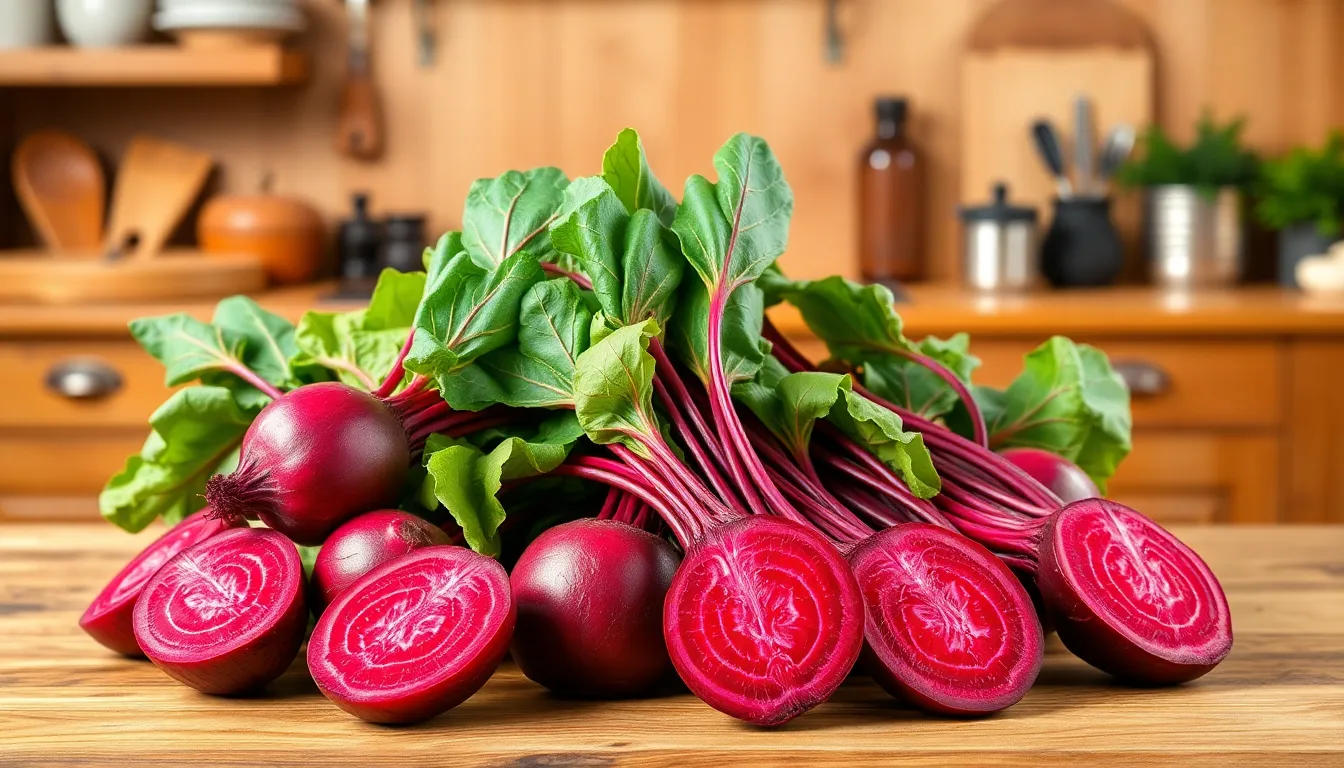
Beets stand out for their remarkable nutritional profile. They are rich in essential vitamins and minerals that contribute to various health benefits.
Vitamins and Minerals
Beets contain significant amounts of vitamin C, which plays a crucial role in immune function. They also provide folate, important for DNA synthesis and repair. Additionally, these root vegetables deliver potassium, a mineral that helps maintain healthy blood pressure levels. Magnesium in beets supports muscle and nerve function. Overall, these nutrients collectively contribute to cardiovascular health and enhanced bodily functions.
Antioxidants and Phytochemicals
Beets boast an impressive array of antioxidants such as betalains. Betalains offer anti-inflammatory and detoxification properties. Various phytochemicals in beets, including carotenoids, help combat oxidative stress. This strong antioxidant capacity may aid in reducing the risk of chronic diseases. The unique compounds in beets support heart health while promoting overall wellness.
How Beets Affect Blood Pressure
Beets play a significant role in blood pressure management. Their natural compounds may promote a healthier cardiovascular system.
Mechanisms of Action
Beets contain high levels of nitrates, which convert to nitric oxide in the body. Nitric oxide helps relax blood vessels, facilitating improved blood flow. This relaxation reduces blood pressure levels, making it easier for the heart to pump blood. Additionally, potassium found in beets helps balance sodium levels, contributing positively to blood pressure regulation. The presence of antioxidants in beets also combats oxidative stress, further supporting heart health.
Research Studies and Findings
Multiple studies support the benefits of beets on blood pressure. A study published in Hypertension demonstrated that participants consuming beetroot juice significantly lowered their systolic and diastolic blood pressure within hours. Another study in Nutrients reviewed various research papers, confirming that beetroot supplementation consistently aids in reducing hypertension. Findings indicate that the effects may be particularly pronounced in individuals with high blood pressure, highlighting beets’ role in cardiovascular health. Overall, these studies reinforce the importance of incorporating beets into a balanced diet for optimal blood pressure management.
Incorporating Beets Into Your Diet
Including beets in meals can enhance both flavor and health. They offer versatility, making it easy to experiment with different recipes.
Ways to Prepare Beets
Roasting brings out beets’ natural sweetness. Peeling and cutting them into wedges or cubes, then tossing with olive oil and seasoning, creates a delicious side dish. Boiling is another option; it softens the beets while preserving nutrients. Slicing them thinly and using in salads adds vibrant color and crunch. Try juicing fresh beets for a nutrient-packed beverage. Pairing beets with citrus fruits enhances taste and improves vitamin absorption. Adding pickled beets to sandwiches or salads provides an extra tangy flavor boost.
Recommended Serving Sizes
Consuming one cup of cooked beets daily offers ample benefits. This amount supplies approximately 220 milligrams of potassium, essential for blood pressure regulation. For those seeking variety, consider incorporating half a cup in salads or smoothies several times a week. A single serving of beet juice, about 8 ounces, can provide effects similar to whole beets. Balancing beets with other fruits and vegetables ensures a well-rounded nutrient intake. Adjusting portion sizes based on individual dietary needs maintains optimal health benefits.
Potential Risks and Considerations
While beets offer several health benefits, certain risks and considerations exist. Individuals need to be aware of potential allergies and medication interactions when consuming beets.
Allergies and Reactions
Allergic reactions to beets are rare but possible. Symptoms may include itching, swelling, or gastrointestinal discomfort after consumption. Those with a history of food allergies should monitor their reactions when trying beets. Consulting a healthcare professional before incorporating beets is wise, especially for individuals with known sensitivities to other root vegetables.
Interactions with Medications
Beets can interact with certain medications. Individuals taking blood pressure medications may experience increased effects due to the nitrates in beets. Patients on anticoagulants should also discuss beet consumption with their doctor, as vitamin K content in beets can influence blood clotting. Awareness of these interactions aids in safe dietary choices, ensuring optimal health benefits without complications.
Beets offer a promising approach to managing blood pressure effectively. Their rich nutrient profile and high nitrate content contribute to improved cardiovascular health. Incorporating beets into daily meals can enhance blood flow and help regulate blood pressure levels.
While they provide numerous health benefits, it’s essential to consider individual dietary needs and potential interactions with medications. By balancing beets with other nutritious foods, individuals can support their heart health while enjoying the delicious flavors these vibrant vegetables bring to the table. Embracing beets as part of a holistic lifestyle can lead to lasting improvements in overall well-being.


