

In every corner of the world, local music ensembles are the unsung heroes of the musical landscape. These talented groups bring communities together, transforming ordinary evenings into unforgettable experiences. Whether it’s a jazz band serenading diners or a string quartet performing at a local park, these ensembles infuse life and laughter into everyday moments.
Overview of Local Music Ensembles
Local music ensembles play a pivotal role in enriching cultural experiences within communities. They often consist of diverse groups, including jazz bands, orchestras, choirs, and folk music troupes, showcasing a range of musical styles. Performances by these ensembles can occur in various venues, from intimate cafes to large public festivals.
Ensembles provide opportunities for local artists to exhibit their talents, fostering creativity and collaboration. They engage audiences through unique interpretations of popular and traditional pieces. Their presence can boost local economies by attracting visitors and enhancing community events.
Moreover, music ensembles contribute to social cohesion, bringing together individuals from different backgrounds. This unity enriches the community’s cultural fabric. Schools often partner with local ensembles to promote music education, cultivating future generations of musicians.
Many local music ensembles also focus on outreach programs, striving to make music accessible to underserved populations. Such initiatives often include free workshops and community performances aimed at inspiring a wider audience. This dedication to inclusivity strengthens the bond between the ensemble and the community.
Appreciating local music ensembles promotes a deeper understanding of regional music heritage. Celebrating their contributions can help preserve unique musical traditions, ensuring they are passed down through generations. Together, these aspects highlight the crucial impact of local music ensembles in shaping vibrant communities and shared cultural identities.
Types of Local Music Ensembles
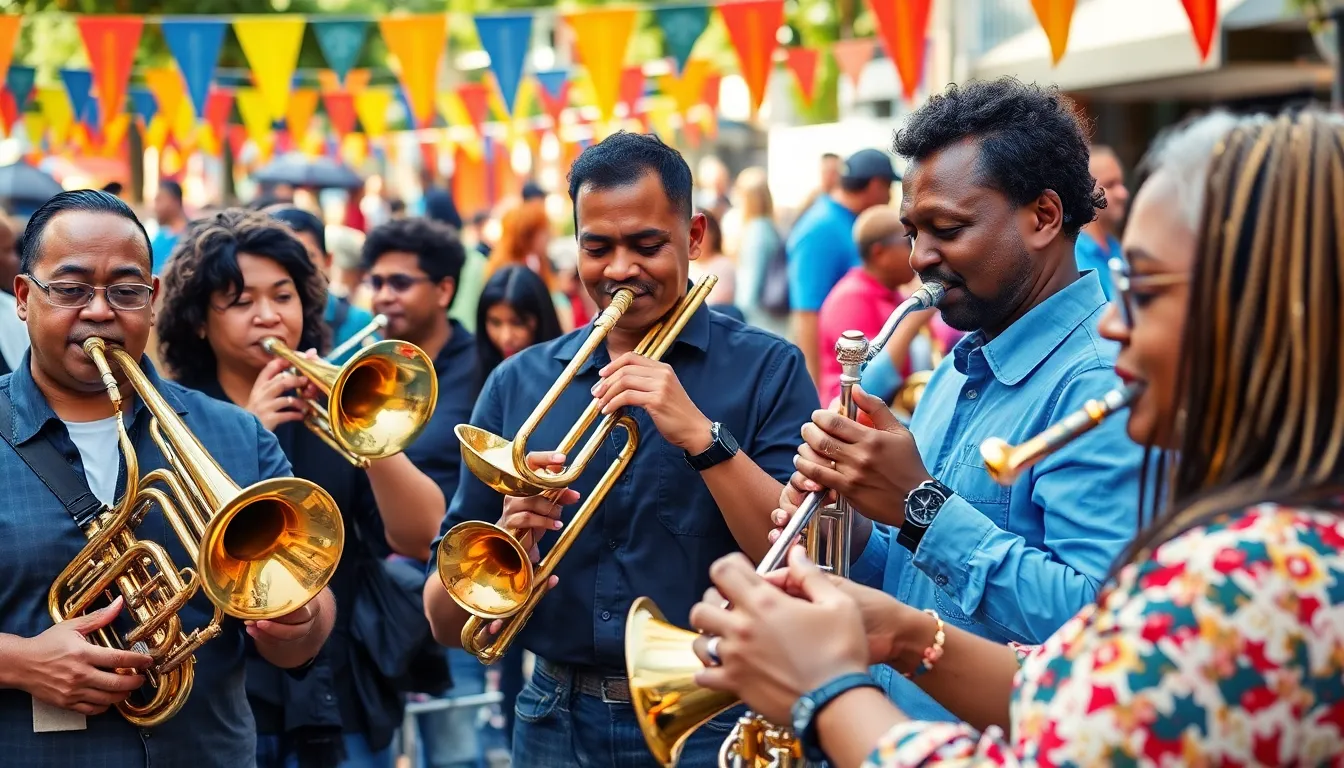
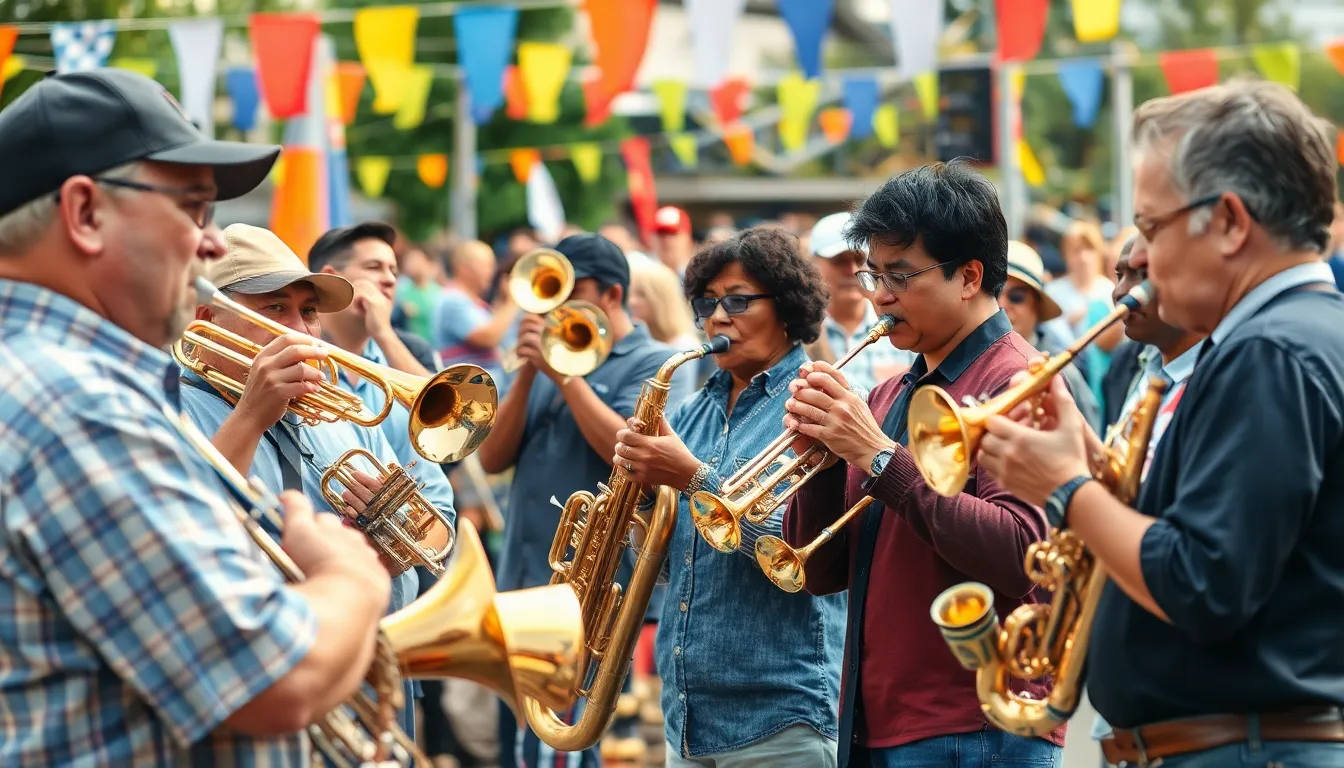
Local music ensembles come in various forms, each contributing uniquely to cultural vibrancy. Understanding these types helps appreciate their importance in communities.
Community Bands
Community bands often serve as inclusive platforms for musicians of all ages and skill levels. These groups perform a mix of popular and traditional songs, fostering connection among members. Additionally, they usually participate in festivals and parades, drawing local crowds. Engagement in these events enhances community spirit and showcases local talent. With instruments ranging from brass to woodwinds, the diversity in sound captivates audiences.
Choirs and Vocal Groups
Choirs and vocal groups bring together singers who share a passion for harmonizing. These ensembles frequently perform at events such as weddings, festivals, and community gatherings. Through various musical genres, they enrich local culture while promoting teamwork among singers. Many choirs also provide opportunities for education in vocal techniques, benefiting aspiring vocalists. Their presence in the community often fosters a sense of belonging and shared purpose.
Orchestras
Orchestras represent a more formalized type of ensemble, featuring a wide variety of instruments. They typically showcase classical music, often performing at concert halls and cultural festivals. Musicians in orchestras usually possess advanced skills and undergo extensive training. Collaborating with guest soloists and composers, these ensembles expand their repertoire. Their performances create memorable experiences, enhancing appreciation for classical and contemporary orchestral works.
The Benefits of Participating in Local Music Ensembles
Participating in local music ensembles offers numerous advantages that enhance both personal and community experiences.
Social Connections
Social connections form naturally in music ensembles. Individuals from diverse backgrounds join together, sharing a common goal of making music. This collaboration fosters friendships that extend beyond rehearsals and performances. Many members report feeling a deeper sense of belonging within their community through these interactions. Local music groups often organize social events, which further build camaraderie among members. Engaging with others who share similar artistic interests strengthens networks that can lead to future collaborations.
Skill Development
Skill development occurs at multiple levels within local music ensembles. Musicians sharpen their technical proficiency and learn new instruments or vocal techniques from peers. Participating in regular rehearsals cultivates discipline and time management as members commit to practice schedules. Individual growth also happens through constructive feedback from more experienced musicians or conductors. Furthermore, local ensembles often host workshops or masterclasses led by guest artists. These opportunities allow members to expand their musical knowledge and improve their performance skills, enhancing their overall artistry.
Notable Local Music Ensembles
Local music ensembles play a vital role in enriching community life. They foster cultural expression and provide performance opportunities for talented musicians.
Spotlight on a Community Band
Community bands embody the spirit of inclusivity. They welcome musicians of all ages and skill levels, encouraging participation in performances across multiple genres. Events such as festivals and parades become vibrant showcases of local talent. Community bands often collaborate with schools, enhancing music education for students. The mix of tradition and modernity in their repertoire captivates audiences, creating a shared sense of pride. Members frequently bond over shared experiences, reinforcing community ties through music.
Interviews with Ensemble Members
Engaging interviews shed light on the experiences of ensemble members. Participants often express the joy of performing together, highlighting the friendships forged through shared musical goals. Many talk about personal growth and skill development occurring in a collaborative environment. Insights into the challenges faced during rehearsals reflect resilience and commitment. Some members describe the thrill of performing for supportive local audiences. Collective experiences enhance appreciation for diverse musical backgrounds, enriching the ensemble’s overall dynamic.
How to Get Involved
Local music ensembles offer various opportunities for community members to engage and take part in enriching experiences. Whether through performance or support, involvement enhances personal connections and cultural appreciation.
Joining a Local Ensemble
Joining a local ensemble connects individuals with musicians who share similar interests. Community bands often welcome musicians of all skill levels, fostering inclusivity. Interested individuals can typically find auditions or open calls advertised on ensemble websites or social media. Many ensembles host workshops, allowing newcomers to improve their skills before committing. Engaging in rehearsals not only builds technical proficiency but also strengthens bonds among members. Collaborative environments empower musicians to learn from one another, leading to personal and artistic growth.
Supporting Local Music Initiatives
Supporting local music initiatives provides essential resources for ensembles and their programs. Attending performances boosts attendance and enthusiasm, reinforcing the importance of local talent. Donations to organizations enable outreach efforts, making music accessible to underserved communities. Many ensembles appreciate help in the form of volunteering at events, enhancing experience for all involved. Spreading the word about performances increases visibility and encourages participation, sustaining cultural vibrancy in the region. Actively supporting these initiatives contributes to the overall health of the local music scene.


