
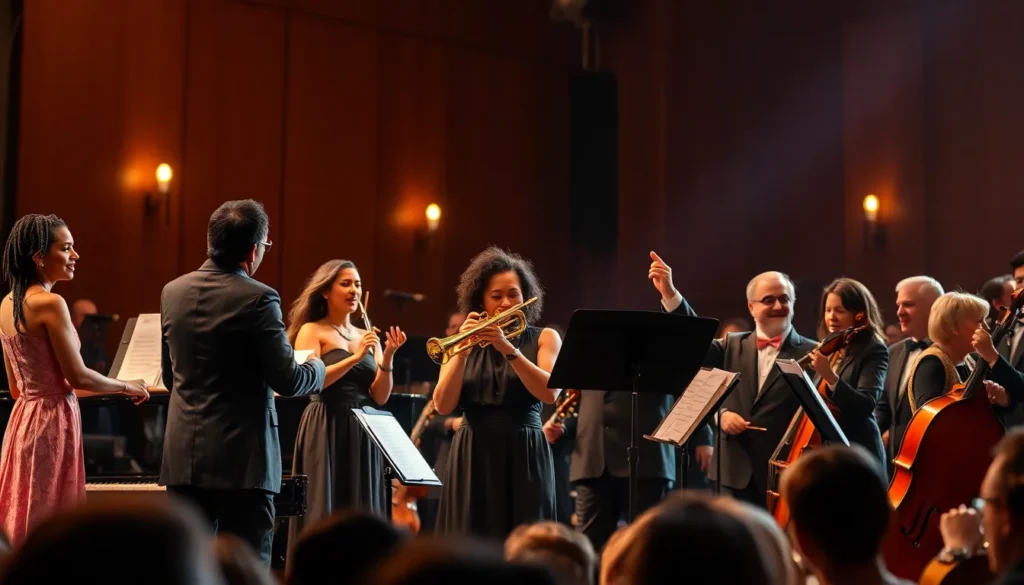
Concert program notes might seem like the unassuming sidekick to the dazzling performances on stage, but they pack a punch of their own. Think of them as the backstage pass to the minds of composers and musicians, revealing the stories and inspirations behind the music. Without these notes, audiences might miss out on the juicy tidbits that make each piece come alive, like discovering the secret ingredient in Grandma’s famous recipe.
Importance of Concert Program Notes
Concert program notes significantly enhance the audience’s experience. They offer insights into the intentions of composers and the perspectives of musicians.
Enhancing Audience Experience
Program notes enrich a listener’s understanding. Detailed explanations clarify the historical and emotional backgrounds of the pieces performed. Composers’ inspirations often reflect societal contexts, deepening appreciation. Music becomes meaningful when audiences grasp the creative processes behind it. Engaging narratives draw listeners into the performance, fostering a connection between the audience and the artists.
Historical Context of Program Notes
Concert program notes emerged as essential tools for music appreciation. Early programs provided basic information about pieces and performers. Over time, notes evolved to include detailed analyses and contextual insights. Understanding the historical backdrop of compositions helps audiences appreciate stylistic innovations. These notes serve as valuable educational resources, guiding listeners through complex musical landscapes. Iconic composers, such as Beethoven and Mozart, often inspire extensive commentary, showcasing their enduring influence in music history.
Key Elements of Effective Program Notes
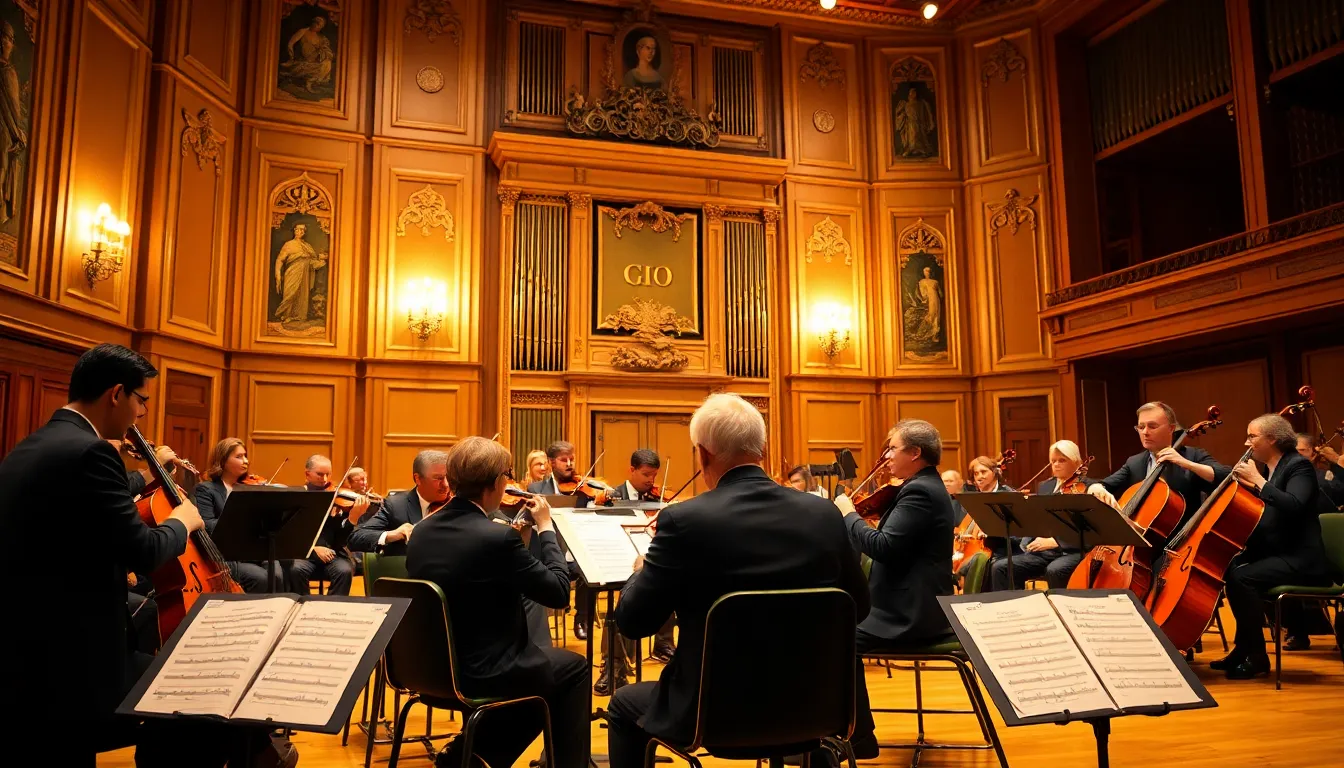
Effective program notes convey crucial information to enhance the music experience. They should include details about the composer, the piece, and performance insights.
Composer Information
Composer information establishes a foundation for understanding the music. Names, birthplaces, and eras create context. Including the composer’s background helps audiences connect emotionally. Listing major compositions emphasizes their influence. Notable achievements and awards support appreciation of the artist. Providing insights into personal life influences adds depth to the narrative.
Piece Background and Context
Piece background and context enrich the audience’s understanding of the work. Key details about the composition’s creation offer insight into its significance. Mentioning the historical period provides immediate relevance. Analyzing the thematic elements allows listeners to grasp deeper meanings. Discussing performance history showcases how perceptions evolve over time. Presenting connections to other works creates a comprehensive picture for the audience.
Performance Insights
Performance insights focus on the interpretation of the piece. Highlighting unique artistic choices informs listeners about different perspectives. Discussing technical challenges faced by musicians creates appreciation for their skill. Noting the emotional impact of specific passages engages the audience further. Adding quotes from musicians or directors gives authenticity to the notes. Observations from rehearsals can illustrate the creative process behind performances.
Tips for Writing Concert Program Notes
Writing effective concert program notes requires attention to detail and a clear understanding of the music being presented. These notes serve as a guide for the audience, enhancing their experience and connection with the performance.
Research Techniques
Understanding the historical context of the music is essential. Start by gathering information about the composer, including their biography and key works. Explore databases such as JSTOR or project-specific resources for scholarly articles. Delve into thematic discussions surrounding the piece; this can shed light on its emotional resonance and relevance. Utilize interviews and essays from musicians, which can provide unique insights into their interpretations of the work. By cross-referencing various sources, writers create a well-rounded perspective that enriches the program notes.
Writing Style and Tone
Adopt an engaging and informative tone while writing. Use clear language to explain complex ideas without overwhelming the audience. Write in an active voice to maintain reader interest and ensure clarity. Vary sentence structure to create a natural flow, making it easier for readers to absorb the information. Engaging phrases and terminology relevant to the music can also enhance the connection with the audience. Avoid overly technical jargon unless necessary, and always seek to make the notes accessible for everyone.
Length and Formatting
Keep program notes concise, aiming for around 150 to 300 words. This length allows for essential information without losing the audience’s attention. Use headings and bullet points to break up large blocks of text for easier reading. Ensure that the formatting is consistent throughout, maintaining a professional appearance. Including composer and piece names in a larger font can help distinguish key elements. Where appropriate, bold or italicize significant quotes or terms to emphasize important ideas, enhancing overall engagement.
Common Mistakes to Avoid
Creating effective concert program notes requires attention to detail. Several common mistakes can diminish their impact and clarity.
Overly Technical Language
Using overly technical language can alienate readers. Clarity matters most in program notes. Avoid jargon that might confuse the audience. Instead, opt for accessible language that conveys key concepts without sacrificing depth. A balance exists between informative and engaging communication. Striking this balance invites deeper connections between the listener and the music.
Lack of Structure
A lack of structure can lead to disorganized notes. Clear organization helps readers navigate through the information. Start with an introduction, followed by composer details, piece context, and performance insights. Incorporating headings and bullet points enhances readability. Ensuring logical flow from one section to the next maintains audience interest. Without this structure, vital insights might get lost amid unrelated information.
Ignoring the Audience
Ignoring the audience’s perspective undermines the effectiveness of program notes. They should resonate with listeners’ interests and knowledge levels. Keeping in mind who will read the notes allows for tailored content. Engaging questions or relatable themes draw readers in. Recognizing diverse backgrounds ensures that more audience members feel connected to the performance. Consideration of the audience fosters a rewarding experience for all.
Concert program notes serve as a vital link between the audience and the music. They not only illuminate the creative process behind compositions but also foster a deeper emotional connection with the pieces performed. By providing context and insights, these notes enhance the listening experience and invite audiences to engage more fully with the performance.
Effective program notes reflect the artistry of both composers and performers. They guide listeners through the intricate narratives woven into each piece, enriching their appreciation of the music. By avoiding common pitfalls and focusing on clarity and engagement, writers can craft notes that resonate with diverse audiences. Ultimately, well-crafted program notes elevate the concert experience, ensuring that music transcends mere sound and becomes a shared journey of discovery.


