
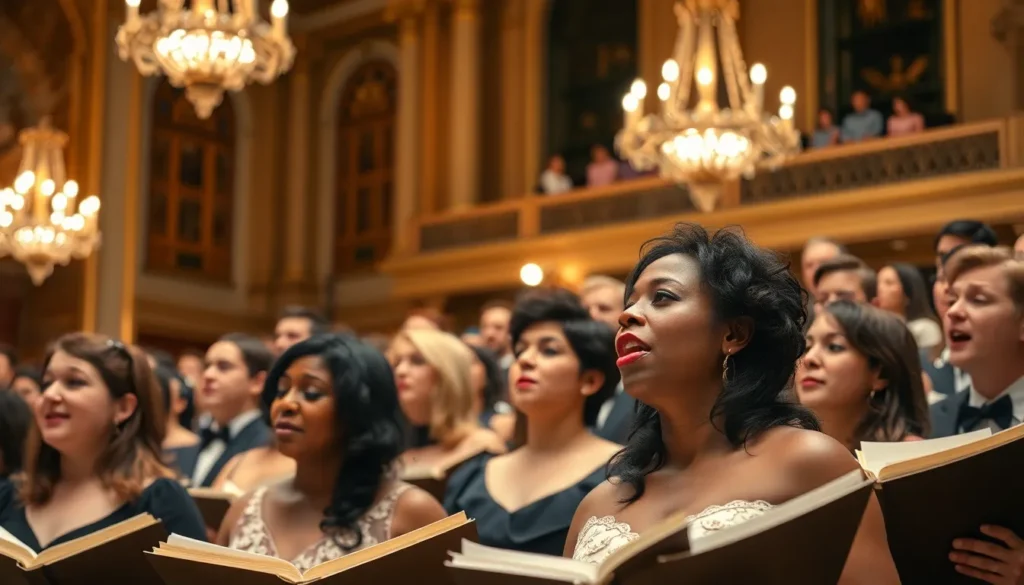
Imagine a chilly evening, the scent of mulled wine wafting through the air, and the glorious sounds of Handel’s Messiah filling the room. This timeless masterpiece has been captivating audiences for centuries, proving that classical music can be as thrilling as a rollercoaster ride—minus the screaming and questionable safety measures.
Handel’s Messiah isn’t just a holiday tradition; it’s a musical experience that transcends time and space. With its powerful choruses and moving arias, it invites listeners to embrace the spirit of joy, hope, and a little bit of drama. So, whether you’re a seasoned concert-goer or someone who thinks “oratorio” is a fancy Italian dish, there’s something in this work for everyone. Dive in and discover why Handel’s Messiah remains a beloved staple in the world of classical music.
Overview of Handel’S Messiah
Handel’s Messiah stands as a monumental work in classical music history. Composed by George Frideric Handel in 1741, it features a rich tapestry of musical styles and profound themes. The oratorio consists of three parts, encompassing the Nativity, Passion, and Resurrection of Jesus Christ. It consists of well-known movements, such as “Hallelujah” and “For unto us a child is born,” that highlight Handel’s genius in melody and orchestration.
Musicians often perform Handel’s Messiah during the Christmas season, although its impact extends beyond this holiday. Audiences appreciate the emotional depth and intricate structure of the piece. Conductors and choirs unite to deliver striking performances, adding to its widespread popularity.
The text of Messiah derives from the King James Bible, drawing from both Old and New Testaments. This scriptural basis forms a potent narrative that resonates with listeners across generations. Handel’s unique ability to capture the essence of these texts through music remains a key reason for the oratorio’s lasting relevance.
Comprising 53 movements, the oratorio typically lasts about two and a half hours. Various interpretations and arrangements exist, ensuring that each performance brings something new to the audience. Professionals and amateurs alike enjoy studying and performing this timeless work, contributing to its ongoing legacy within the classical music community.
Cultural significance permeates Handel’s Messiah, making it a staple in concert halls around the world. This work represents a blend of artistic expression and spiritual reflection, underscoring its place as a cherished masterpiece.
Historical Background
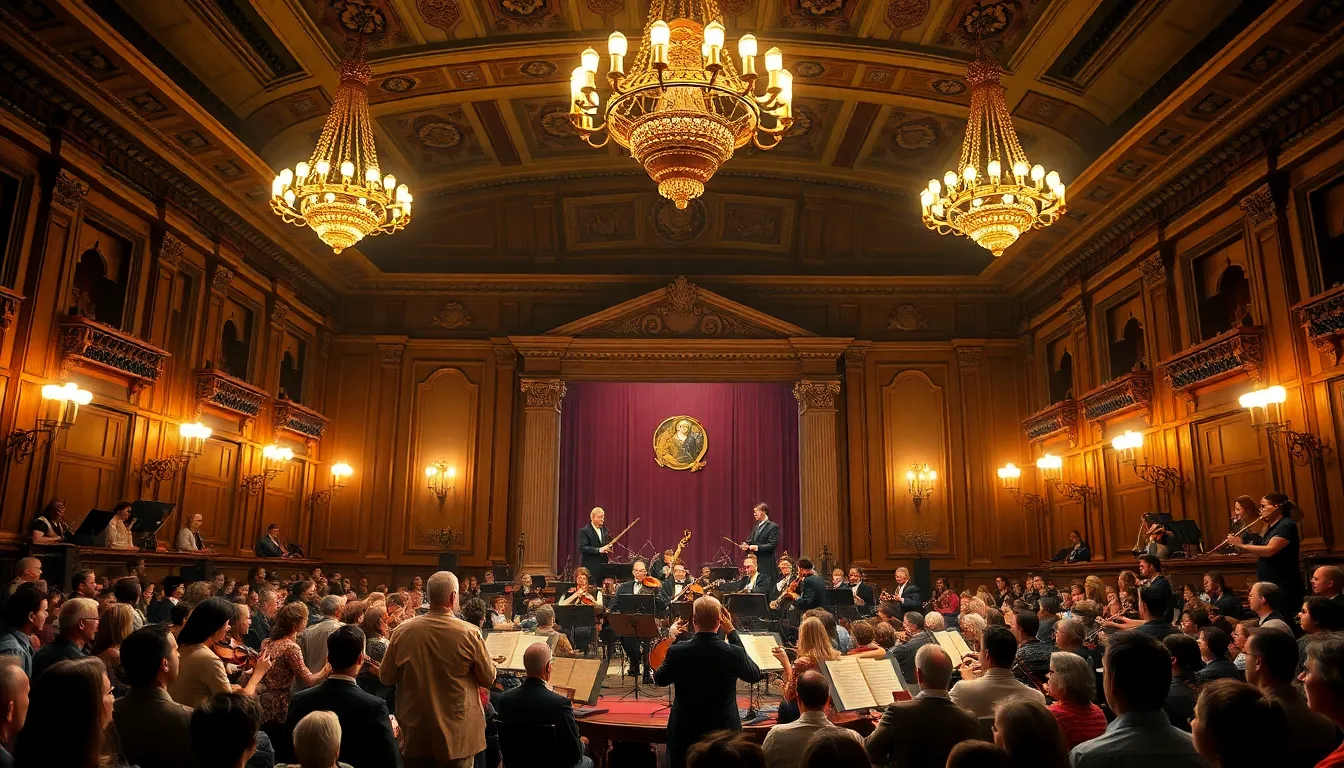
Handel’s Messiah is a landmark work in classical music, marked by rich composition and timeless themes. Its history includes intriguing details about its creation and initial reception.
Context of Composition
George Frideric Handel composed Messiah in 1741. Inspired by biblical texts, he crafted the oratorio in just 24 days. This rapid creation reflected both his inspiration and mastery of musical form. The work emerged during a period when oratorios gained popularity, particularly in London. Its three parts—Nativity, Passion, and Resurrection—capture critical moments in Christian theology. Diverse musical styles permeate the piece, showcasing Handel’s flair for melody and orchestration. By drawing on the King James Bible, the text offers a vibrant narrative, enhancing its emotional resonance.
Premiere and Reception
Messiah premiered on April 13, 1742, in Dublin at the Great Music Hall. The initial audience response was overwhelmingly positive, leading to rapid acclaim. Many listeners found the combination of music and scripture compelling and moving. The oratorio quickly gained popularity, paving the way for performances across Europe. Notably, the “Hallelujah” chorus became one of its most iconic segments. Critics lauded Handel’s innovative composition techniques, while audiences embraced its powerful messages. Over time, the piece established itself as a staple in both religious and secular concert settings.
Musical Structure
Handel’s Messiah features a complex musical structure that engages audiences through its varied movements and orchestration. The composition’s three parts—Nativity, Passion, and Resurrection—intertwine seamlessly, offering a profound listening experience.
Key Movements
Several movements stand out within the oratorio. “Hallelujah,” with its powerful choral proclamations, has become a symbol of celebration. “For unto us a child is born” showcases Handel’s ability to convey joy through melody. Other notable movements include “Every valley shall be exalted,” which emphasizes the theme of hope and redemption. Each movement contributes to the overall narrative, enhancing the spiritual journey from prophecy to fulfillment.
Instrumentation and Orchestration
Instrumentation plays a critical role in the oratorio’s impact. The standard orchestration incorporates strings, woodwinds, and brass, providing a rich sonic palette. The addition of timpani adds dramatic weight to climactic moments. Handel’s masterful orchestration allows for varied textures, creating contrast between the delicate arias and robust choruses. This diversity in orchestral color enriches the listening experience while emphasizing the emotional depth infused in the text.
Textual Themes
Handel’s Messiah explores profound themes rooted in biblical narratives. The text intertwines elements of joy, hope, and redemption, creating a compelling experience for listeners.
Biblical Sources
The oratorio’s text primarily derives from the King James Bible. Specific passages from Isaiah and the Book of Psalms form the foundation of the music. For example, Isaiah 9:6, where the prophecy of a child born to rule evokes deep emotional resonance. Other texts, like those from Matthew, emphasize the life and mission of Christ. These sources enrich the overall narrative, grounding Handel’s composition in spiritual significance.
Main Messages and Interpretations
Handel’s Messiah delivers core messages of salvation, hope, and the human condition. It portrays the arrival of the Messiah and the promise of redemption through key movements. Each section contributes to an overarching narrative of divine grace. Interpretations vary, revealing layers of meaning based on the audience’s perspective. Performances evoke emotions ranging from joy to introspection, making the work relevant throughout the year. In essence, Handel’s mastery lies in capturing the depth of biblical themes through music.
Influence and Legacy
Handel’s Messiah has left a profound impact on the world of classical music, influencing choral traditions and performance practices globally.
Impact on Choral Music
Choral music has significantly evolved due to Handel’s Messiah. Numerous conductors and composers cite its complex choral arrangements as pivotal in developing modern choral techniques. Various choirs regularly perform its exhilarating and intricate choruses, shaping vocal education and ensemble practices. Educational institutions embrace the oratorio, facilitating its inclusion in curriculums for aspiring musicians. Baroque performance practices also receive heightened attention through Messiah, guiding ensembles on authenticity and interpretation.
Adaptations and Performances
Adaptations of Handel’s Messiah abound across genres and formats. Several orchestras and choirs perform the work annually during the holiday season, reaching diverse audiences. Many contemporary artists and ensembles create unique interpretations, blending various musical styles while honoring the original composition. Different adaptations explore dramatic settings, showcasing the work’s versatility. Furthermore, film adaptations and modern arrangements broaden its appeal, inviting new generations to engage with this classic masterpiece. Seasons of performances reflect its continued relevance, as countless interpretations spark renewed interest and appreciation for Handel’s genius.
Handel’s Messiah stands as a timeless testament to the power of music in conveying profound themes. Its intricate structure and emotional depth continue to resonate with audiences around the world. Each performance offers a fresh perspective on its rich narrative, inviting listeners to experience joy and reflection.
As both a holiday staple and a year-round masterpiece, Messiah bridges generations and cultures. Its influence on choral traditions and modern adaptations ensures that Handel’s legacy endures. Engaging with this oratorio is not just a musical experience but a journey through the essence of hope and redemption.


