
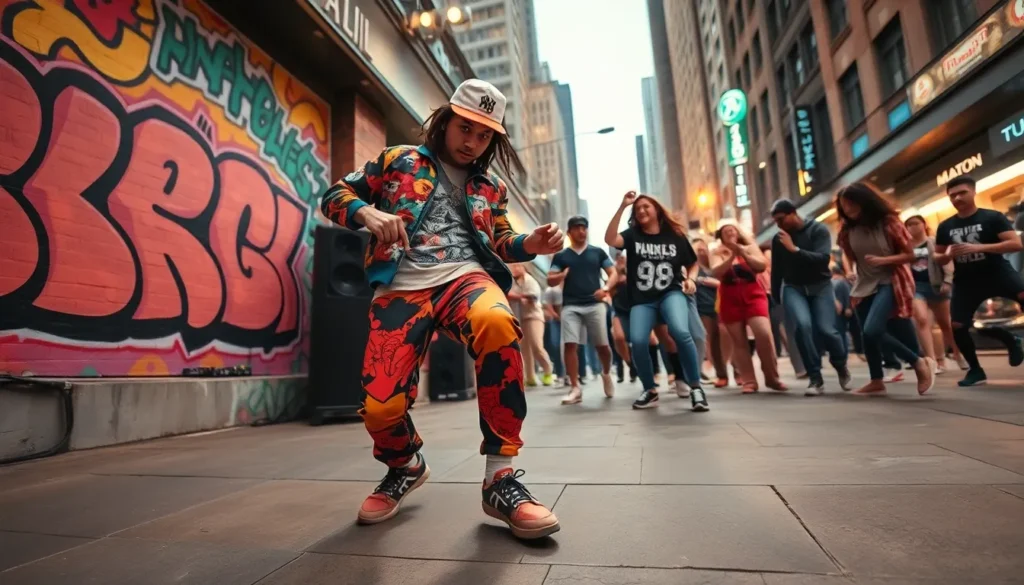
Hip hop dance music isn’t just a genre: it’s an electrifying heartbeat coursing through the veins of the music world. Ever felt like busting a move the moment that bass drops? You’re not alone. But what is it about hip hop dance music that makes it so irresistible? Let’s dive deep into its rhythm and explore how this dynamic genre has evolved over time, the key players behind the scenes, and why it continues to shape the cultural landscape today. Buckle up because this journey is about to get groovy.
The Evolution of Hip Hop Dance Music
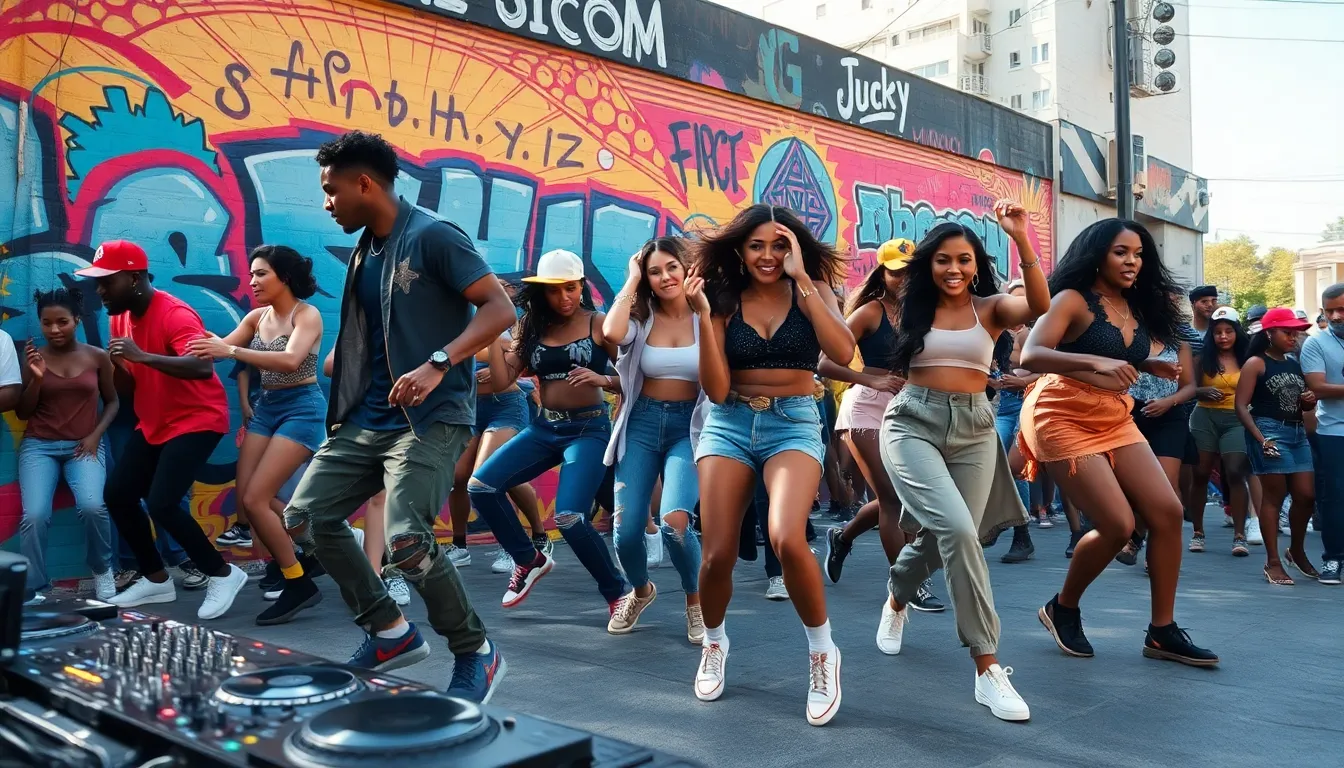
Hip hop dance music originated in the Bronx during the late 1970s. Its roots can be traced back to block parties where DJs created exciting soundscapes that inspired spontaneous dancing. Early pioneers like DJ Kool Herc utilized turntables to remix funky tracks, laying the groundwork for what would become a revolutionary genre.
By the 1980s, hip hop began to gain traction with mainstream audiences. Artists like Grandmaster Flash and Afrika Bambaataa fused elements of funk, soul, and disco, broadening hip hop’s appeal. As the movement evolved, so did its sound. The 1990s saw the rise of gangsta rap, a much grittier take that resonated with urban youth. Meanwhile, dance tracks were gaining speed, and artists recognized the genre’s danceability potential, resulting in a surge of dance-centric hip hop tracks.
Fast forward to the 2000s, genres started blending like never before. The infusion of electronic beats transformed hip hop dance music into a high-energy phenomenon. Synthesizers and funky bass lines became the norm, paving the way for the electronic dance music (EDM) boom. Collaborations between hip hop artists and electronic producers became increasingly common, signaling a brand new chapter in its evolution.
Today, hip hop dance music is a fusion of styles and sounds, maintaining its roots while continuously reinventing itself. With social media platforms like TikTok and Instagram spreading dance challenges, the genre evolves in real-time, captivating audiences around the globe.
Key Elements of Hip Hop Dance Music
At the heart of hip hop dance music lies several distinct elements that fuel its danceability. First and foremost is the rhythm. The signature beats in hip hop track propel dancers forward, each kick drum and snare beckoning movement. Heavy bass lines underscore the melodic structure, giving tracks an inviting groove.
Lyrics also play an essential role. Whether they’re witty or deeply emotional, the words resonate with listeners, inviting them to express themselves. Clever wordplay and cultural references often make dance tracks relatable, connecting dancers with shared experiences.
Another notable element is sampling. Hip hop artists have a unique way of resurrecting older tracks and transforming them into something fresh. Sampling classic songs and layering new beats create a tapestry of sound that honors the past while looking toward the future.
Finally, collaboration is vital. When artists from various genres come together, think of hip hop/EDM fusion, the result is exhilarating, leading to innovative sounds. Collaborations expand the sonic possibilities, allowing for richer, more intricate tracks that dominate dance floors.
Influential Artists and Producers
Many influential artists have shaped hip hop dance music over the years. Let’s spotlight a few who have left an indelible mark.
Run-D.M.C., largely credited with mainstreaming hip hop in the 1980s, played a pivotal role in combining rap and rock music, broadening hip hop’s audience. Their collaboration with Aerosmith on “Walk This Way” became a classic.
Moving into the 1990s, Timbaland emerged as a key producer, renowned for groundbreaking beats in tracks like Missy Elliott’s “Get Ur Freak On.” His innovative production style characterized a new wave of hip hop dance music.
In the 2000s, Lil Jon brought crunk to the mainstream. His energetic tracks like “Get Low” were staples in clubs and infused hip hop dance music with an unapologetic party vibe.
More recently, DJ Khaled has epitomized collaboration. His ability to bring together top-notch artists, as seen in hits like “I’m the One,” showcases how influential producers keep the genre evolving while maintaining its dance roots.
Subgenres of Hip Hop Dance Music
Hip hop dance music isn’t a one-size-fits-all genre: it has branched into various subgenres, each with its unique flavor.
Trap
Trap music, with its hard-hitting beats and rapid hi-hats, exploded in popularity over the last decade. Originating from the Southern U.S., it perfectly blends hip hop with electronic elements. Artists like Migos and Gucci Mane popularized trap, creating infectious dance hits that dominated charts and playlists.
Crunk
Born in the early 2000s, crunk is characterized by its high energy and party-centric themes. With artists like Lil Jon at the helm, this genre raises the volume and brings everyone to their feet. Crunk’s catchy hooks and heavy bass make it a mainstay on dance floors.
Dancehall
Interestingly, the global influence of dancehall has also made waves in hip hop dance music. Tracks infused with dancehall rhythms, often featuring artists like Nicki Minaj and Sean Paul, showcase how this genre creates a distinctively energetic atmosphere ideal for dancing.
EDM-Infused Hip Hop
Finally, the EDM influence is blurring boundaries between genres with artists like Post Malone and Travis Scott. This blend creates tracks that not only cross hip hop but also invite electronic dance enthusiasts to the mix, proving music knows no boundaries.
Cultural Impact and Community
Hip hop dance music transcends mere entertainment: it builds community. From block parties to elaborate performances, hip hop culture fosters a sense of belonging. Dancers often unite as crews, participating in battles and showcases that not only highlight skills but also strengthen friendships and shared passions.
The genre often addresses social issues, giving a voice to marginalized communities. Artists use their music to touch on themes of inequality, pursuing dreams, or celebrating cultural heritage. These messages resonate deeply, forging connections between the artists and their audience, creating a powerful communal experience.
Social media platforms further enhance the community aspect. Thanks to viral challenges, anyone with a smartphone can join the global dance party. Platforms amplify voices, allowing dancers to showcase skills, share choreography, and even collaborate across distances, reinforcing a culture of inclusivity.
The Future of Hip Hop Dance Music
The future of hip hop dance music looks promising, with endless possibilities on the horizon. New artists are emerging every day, reshaping the genre and experimenting with diverse sounds. Regional influences are becoming prominent, mixing traditional elements with current trends.
As technology continues to evolve, we can expect an even greater emphasis on collaboration. With the rise of virtual reality and augmented reality, live performances could transform into immersive experiences, where audiences feel part of the action like never before.
Also, global influences will likely play an increasingly significant role. As hip hop dance music reaches corners of the world previously untouched, cross-cultural collaborations will blossom, yielding inventive fusions of sound that can only be dreamed of today.
Eventually, hip hop dance music will remain a catalyst for creativity and community. Its power to bring people together, express emotions, and instigate change ensures it will thrive in the future.


