
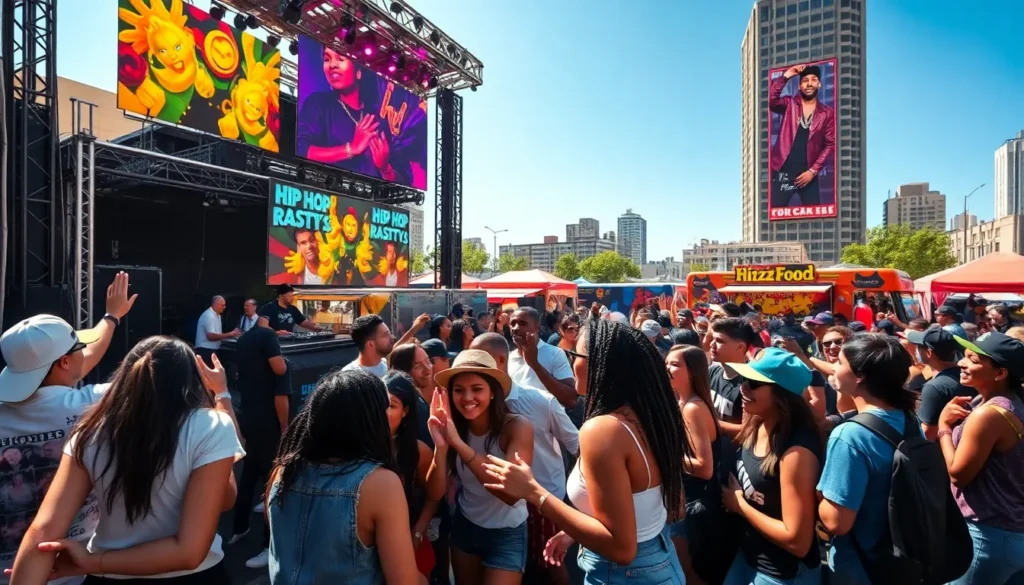
Imagine this: a vibrant crowd pulsing to the beat of a DJ, the scent of street food wafting through the air, and a lineup of artists that could make even the most seasoned hip hop fan weep with joy. Hip hop music festivals are not just concerts: they’re cultural phenomena. From celebrating artistry to uniting communities, these festivals offer a unique blend of music, fashion, and expression. So, gather your crew, because in this piece, we’ll explore the evolution, key features, and future of hip hop music festivals, it’s a journey you won’t want to miss.
The Evolution of Hip Hop Music Festivals
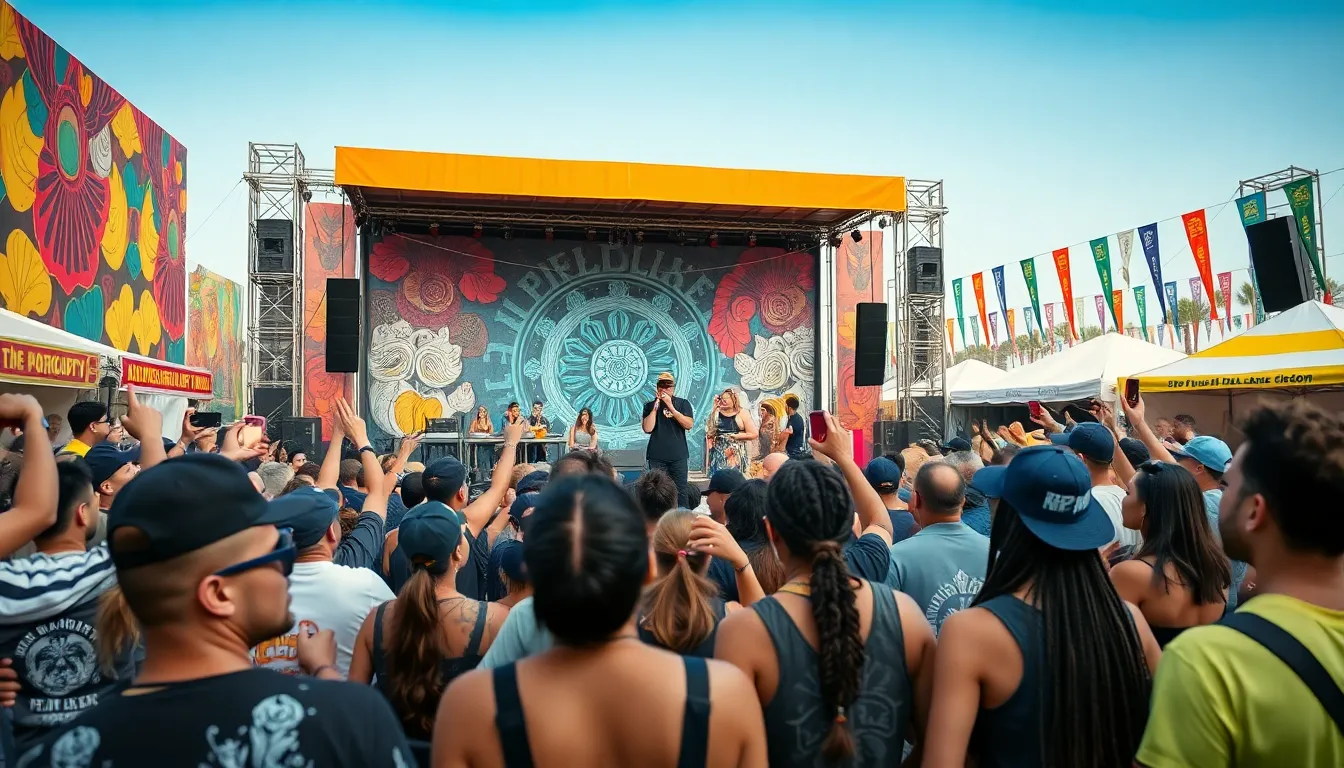
Hip hop music festivals originated in the late 1970s, a time when block parties and park jams were the places to be. The genre was still nascent, with pioneers like DJ Kool Herc spinning records and MCs like Grandmaster Flash entertaining the streets. Fast forward to the 1990s, and festivals began to morph. Events like the groundbreaking ‘99 Jamz’ started to showcase a wider array of artists, from East Coast legends to West Coast icons.
As hip hop’s popularity swelled, so did the ambition of these gatherings. By the 2000s, festivals like the famous ‘Rock the Bells’ brought legendary acts together, creating a rich tapestry of hip hop history. They began to incorporate new elements like art installations, fashion showcases, and even workshops to educate fans on hip hop’s roots and social issues.
Today, hip hop festivals not only focus on the music, though that remains central, they serve as platforms for discussion and change, reflecting the genre’s ties to society, politics, and personal identity.
Key Features of Hip Hop Festivals
One of the defining elements of hip hop festivals is their diverse lineup. From mainstream superstars to emerging underground artists, there’s a sound for every ear. The festival experience extends beyond music: it often includes:
Community Engagement
Many hip hop festivals organize community outreach programs. From charity drives to local workshops, they aim to uplift neighborhoods and promote social justice.
Merchandise and Fashion
Streetwear pop-ups showcasing the latest brands are staples at these festivals. Attendees often sport unique styles, transforming the festival grounds into a living runway.
Food Culture
What’s a party without good food? Hip hop festivals frequently feature food trucks offering gourmet twists on classic comfort foods, making it a feast for the senses.
Art Installations
Hip hop is as much about visual expression as it is about sound. Many festivals incorporate graffiti artists, muralists, and digital art installations, turning venues into colorful canvases.
Top Hip Hop Music Festivals Worldwide
Here are some of the premier hip hop festivals that fans simply can’t miss:
Coachella (USA)
Though it’s not exclusively hip hop, Coachella features some of the biggest names in the genre every year. Everyone from Kendrick Lamar to J. Cole has graced its stages.
Rolling Loud (USA)
Often dubbed the ‘Woodstock of Hip Hop,’ this festival showcases a myriad of artists, committed to bringing out the hottest names in the industry.
Hip-Hop Kemp (Czech Republic)
Central Europe’s biggest hip hop festival attracts fans from all across the globe, offering a unique lineup that merges international and local talent.
Outlook Festival (Croatia)
Set against a stunning seaside backdrop, this festival focuses on the realms of hip hop, reggae, and bass music, combining an incredible vibe with an unforgettable setting.
Impact of Hip Hop Festivals on Culture and Community
Hip hop festivals have a profound impact, not just on attendees but on the culture at large. They serve as melting pots for diverse communities, bridging cultural divides through the joy of music. The community engagement initiatives prevalent at these events often lead to:
Grassroots Movements
Many festivals align themselves with social causes, empowering youth and promoting activism. These efforts encourage attendees to engage with local issues and take action.
Cultural Pride
By celebrating the heritage of hip hop, these festivals instill a sense of pride among fans and artists alike, reinforcing the genre’s significance as a voice for the marginalized.
Economic Boost
Plus to cultural impact, hosting a hip hop festival can significantly contribute to the local economy. Increased tourism for these events can drive new business opportunities and jobs.
Planning Your Attendance: What to Expect
Heading to a hip hop festival can feel exhilarating yet overwhelming. While the excitement mounts, preparation is essential.
Tickets and Lineups
Always check for early bird tickets, they can save a chunk of change. Once you have your ticket, familiarize yourself with the lineup to ensure you don’t miss your favorite acts.
Accommodations
Plan ahead for lodging, as hotels and campsites quickly fill up. Whether you prefer a posh hotel or a fun campsite, securing accommodation early can enhance your overall experience.
Festival Experience
Both newbies and veterans should plan for the festival’s atmosphere. Typically bustling with energy, it’s wise to arrive early to soak in the sights, sounds, and scents. Don’t hesitate to explore art installations, engage with vendors, and sample the delicious food.
The Future of Hip Hop Music Festivals
In an industry constantly evolving, the future of hip hop music festivals looks bright. With advancements in technology, festivals are likely to embrace:
Virtual Experiences
As seen during the pandemic, digital festivals provided alternative platforms for artists to connect with fans, offering another layer of accessibility.
Sustainability Initiatives
The trend toward sustainability is becoming apparent: future festivals may incorporate greener practices, from waste management to eco-friendly merchandise.
More Inclusivity
As awareness grows about representation, expect more diverse lineups that highlight not only established artists but also up-and-coming talent from underrepresented backgrounds.


