
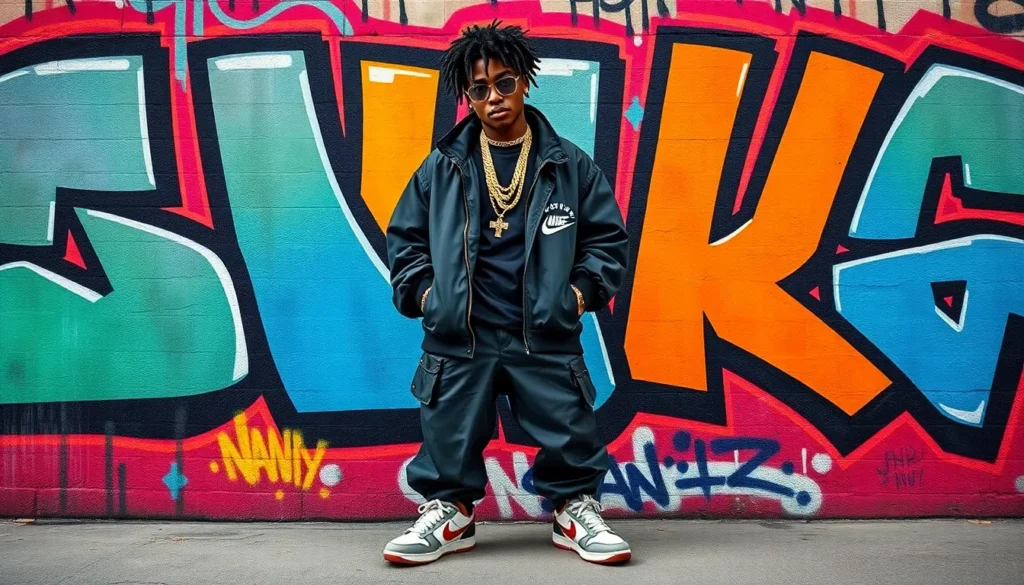
Rap isn’t just music; it’s a vibrant tapestry woven from culture, style, and a dash of swagger. At the heart of this genre lies rap iconography—a visual language that speaks volumes without uttering a single word. From oversized gold chains to graffiti-laden album covers, these symbols tell stories of struggle, triumph, and everything in between.
As hip-hop continues to evolve, so does its iconography, influencing fashion, art, and even social movements. Dive into the world where beats meet bold visuals, and discover how these symbols shape the identity of a genre that’s more than just a soundtrack; it’s a lifestyle. Get ready to explore the iconic imagery that defines rap and the artists who wield it like a brush on a canvas.
Overview of Rap Iconography
Rap iconography encompasses a diverse range of visual symbols that reflect cultural narratives. Gold chains often symbolize wealth and success, while graffiti art conveys the gritty origins of hip-hop. These elements serve to communicate deeper messages about struggle and resilience, integral to the genre’s identity.
Fashion plays a significant role in rap iconography. Artists often adopt unique styles that blend streetwear with high fashion, making bold statements through their attire. Sneakers, branded caps, and oversized clothing emerge as common themes, reflecting both personal expression and social commentary.
The impact of rap iconography extends beyond music. Visual artwork associated with hip-hop shapes societal perceptions and influences artistic movements. Street art galleries and exhibitions often showcase the artwork of rappers, solidifying their place within contemporary art.
Artists utilize these symbols to connect with audiences on multiple levels. Iconic imagery attached to rap not only enhances music videos but also creates a recognizable brand identity. The effective combination of visual elements and sound generates a compelling narrative that resonates with fans.
Cultural significance underpins the use of these icons. Symbols evolve through generations, adapting to changing social environments while retaining core meanings. The dynamic nature of rap iconography fosters a sense of community among listeners, making it a vital aspect of the genre’s ongoing legacy.
Historical Context
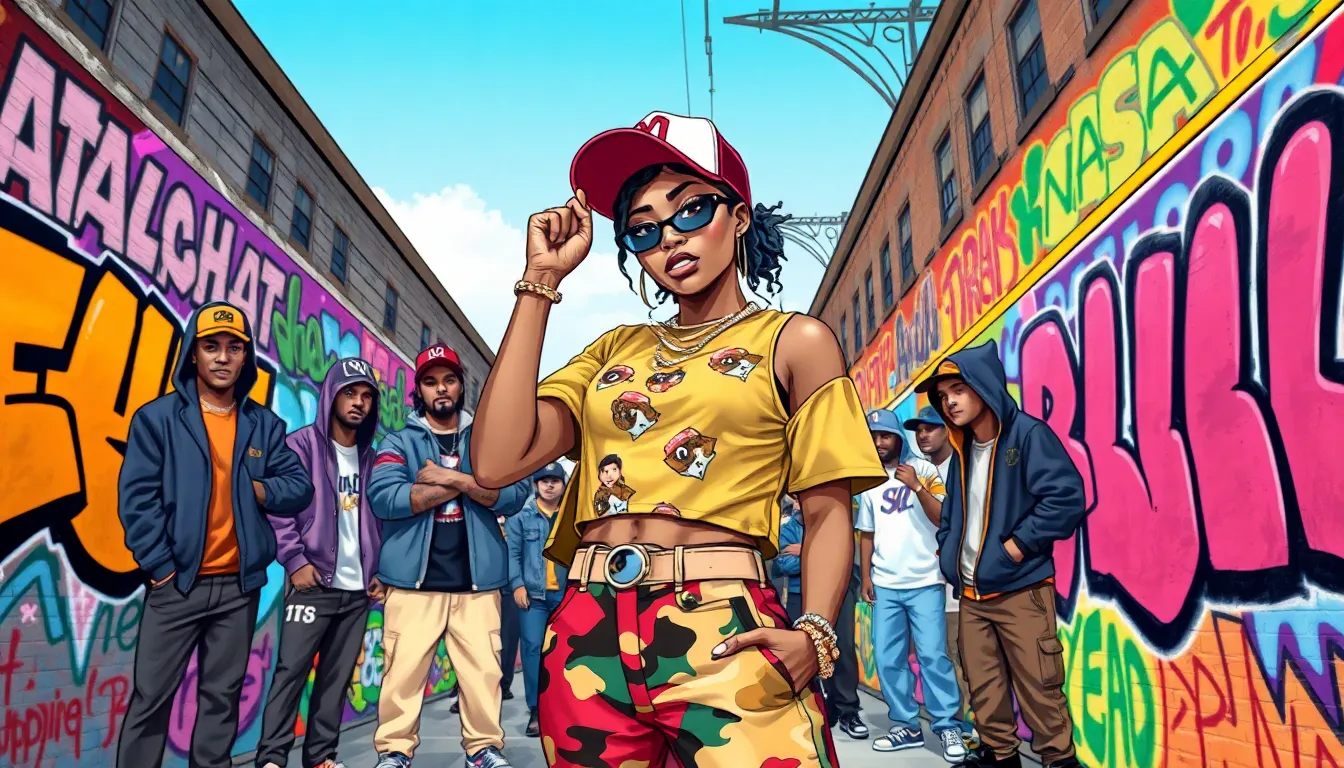
The historical context of rap iconography showcases its role as a medium for cultural expression. Understanding the genre’s evolution helps appreciate its visual symbols and their impact.
The Evolution of Rap and Its Icons
In the late 1970s, rap emerged as a distinct genre, originating from African American communities. Artists like Grandmaster Flash and Afrika Bambaataa utilized elements from various cultures, laying the groundwork for rap’s unique image. By the 1990s, icons such as Tupac Shakur and The Notorious B.I.G. introduced new symbols, including bandanas and cross pendants, representing street credibility and resilience. Today, contemporary artists like Lil Nas X and Cardi B merge traditional symbols with modern fashion trends, reflecting rap’s ongoing evolution. As rap expands globally, it embraces diverse influences while maintaining its iconic imagery.
Influence of Cultural Movements
Cultural movements significantly shaped rap iconography. The Black Arts Movement of the 1960s and 1970s inspired visual elements connecting art with activism. Symbols like the raised fist became associated with empowerment and social justice. During the 1980s, graffiti art emerged as a voice for marginalized communities, transforming urban landscapes. Rappers adopted these rebellious elements, enhancing their narratives. The rise of feminism in the 1990s introduced powerful female icons, such as Queen Latifah, promoting messages of strength and independence. Today, the influence of social movements, including Black Lives Matter, revitalizes rap’s visual language, connecting generations of artists to their roots.
Key Elements of Rap Iconography
Rap iconography features distinct visual symbols and styles that convey deeper meanings and narratives. These elements play a pivotal role in defining the genre’s identity and connection to its audience.
Visual Symbols and Imagery
Gold chains represent both wealth and success in rap culture. Sneakers often illustrate the fusion of sport and art, highlighting the artist’s lifestyle. Graffiti serves as a canvas for expression, reflecting hip-hop’s urban roots. Cars symbolize status, often portrayed in music videos as aspirational objects. Tattoos frequently represent personal stories, adding layers to an artist’s persona. Through these symbols, artists connect with listeners, illustrating their journeys and struggles.
Fashion and Style
Fashion in rap blends streetwear and luxury, creating a unique aesthetic. Oversized clothing has become synonymous with comfort and individuality, showcasing an artist’s style. Brands like Supreme and Off-White have strong ties to the genre, indicating cultural influence. Accessories, such as watches and hats, enhance personal branding and can signify affiliations. Gender fluidity in fashion has emerged, challenging traditional norms, as seen in artists like Lil Nas X. Each style choice communicates messages of identity, further shaping the cultural landscape of rap.
Notable Figures in Rap Iconography
Rap iconography illustrates the evolution of cultural symbols within the genre. Both past and present figures contribute to its rich visual language.
Pioneers and Innovators
Grandmaster Flash and Afrika Bambaataa laid the groundwork for rap visual culture in the late 1970s. Tupac Shakur and The Notorious B.I.G. introduced iconic symbols during the 1990s, such as bandanas and gold chains, which represented identity and resilience. Additional pioneers like Run-D.M.C. merged music with fashion, making Adidas sneakers synonymous with hip-hop culture. Their collective efforts shaped the visual narrative surrounding rap music, connecting generations through shared symbols and experiences. Artists like Queen Latifah also challenged gender norms, bringing a fresh perspective to rap iconography, empowering women in the genre.
Contemporary Influencers
Today’s rap scene features notable figures like Cardi B and Lil Nas X, who redefine traditional symbols through modern fashion. Cardi B’s extravagant jewelry and vibrant clothing set trends that resonate with fans. Lil Nas X’s fluid style challenges conventional gender norms while promoting inclusivity. Artists such as J. Cole and Kendrick Lamar weave powerful social messages into their visual presentations, echoing themes of social justice. Both Drake and Travis Scott elevate branding through unique visuals in their music videos, emphasizing personal narrative. Each contemporary influencer contributes to the dynamic tapestry of rap iconography, ensuring it evolves alongside society.
Impact on Popular Culture
Rap iconography significantly influences popular culture, shaping the visual and stylistic elements across various media. Its symbols resonate with audiences, creating a bridge between music and societal movements.
Music Videos and Media Representation
Music videos serve as a vital platform for rap artists to showcase their iconography. Vibrant imagery, stylish fashion, and recognizable symbols play crucial roles in conveying artistic messages. Artists like Beyoncé and Kendrick Lamar integrate powerful narratives into their visuals, impacting perceptions of race and identity. The aesthetic choices dictate trends in fashion, with brands often collaborating with artists to create unique collections. As a result, these visual representations extend beyond the screen, permeating everyday culture and influencing fan behavior.
Social and Political Messaging
Rap iconography often embodies social and political messages, reflecting artists’ perspectives on pressing issues. Powerful symbols highlight struggles against systemic oppression, as seen in works by artists like J. Cole and Public Enemy. Their visuals confront challenges faced by marginalized communities, encouraging dialogue and activism. Movements like Black Lives Matter find expression through rap’s symbolism, using art as a form of resistance. Audiences connect emotionally to these narratives, fostering a collective awareness and inspiring social change.
Rap iconography serves as a powerful lens through which the genre’s cultural significance can be understood. The symbols and visuals that define rap not only tell stories of individual artists but also reflect broader societal themes and movements. As hip-hop continues to evolve, its iconography will undoubtedly adapt, remaining relevant in a changing cultural landscape.
This dynamic visual language fosters connections among artists and fans alike, creating a shared identity that transcends mere music. The ongoing influence of rap iconography will continue to shape fashion, art, and social discourse, ensuring that its legacy endures for generations to come.


