

When it comes to backyard buzzers, not all nests are created equal. Yellow jackets and paper wasps may look similar at a glance, but these feisty insects have distinct personalities and nesting habits that can turn your summer barbecue into a buzzing battlefield. Imagine stepping outside only to find yourself face-to-face with a swarm of angry yellow jackets, or worse, mistaking a paper wasp nest for a harmless decoration.
Yellow Jacket Nest Vs Paper Wasp Nest
Yellow jacket nests typically appear as round or oval structures made of a paper-like material created by chewing wood fibers mixed with saliva. Their nests often contain multiple layers and can accommodate thousands of wasps. Locations for these nests include underground burrows, inside wall cavities, or in tree branches.
Paper wasp nests, on the other hand, exhibit a more open structure that resembles an upside-down umbrella. They consist of fewer cells, which house the wasps. A paper wasp nest might include 20 to 100 individuals, making them less populated compared to yellow jacket nests. Common sites for these nests involve eaves, decks, or hanging branches.
Behaviorally, yellow jackets exhibit aggressive tendencies, especially when their nests are threatened. They guard their territory fiercely, which poses risks during summer gatherings. Their sting is painful and can trigger allergic reactions in some individuals.
Contrastingly, paper wasps are generally less aggressive. While they defend their nests if provoked, their buzz is often more a warning than an attack signal. Understanding the behavioral traits of each species helps mitigate encounters.
The size and construction methods of the nests emphasize their differences. Yellow jacket nests remain hidden underground or within walls, making them harder to spot. Paper wasp nests, however, hang visibly from surfaces, making identification easier.
Recognizing these nests’ characteristics helps avoid unpleasant surprises. Misidentifying a yellow jacket nest for a paper wasp nest may lead to stings, particularly if someone attempts to get too close. Clear differentiation between yellow jackets and paper wasps simplifies safe outdoor enjoyment.
Identification Features
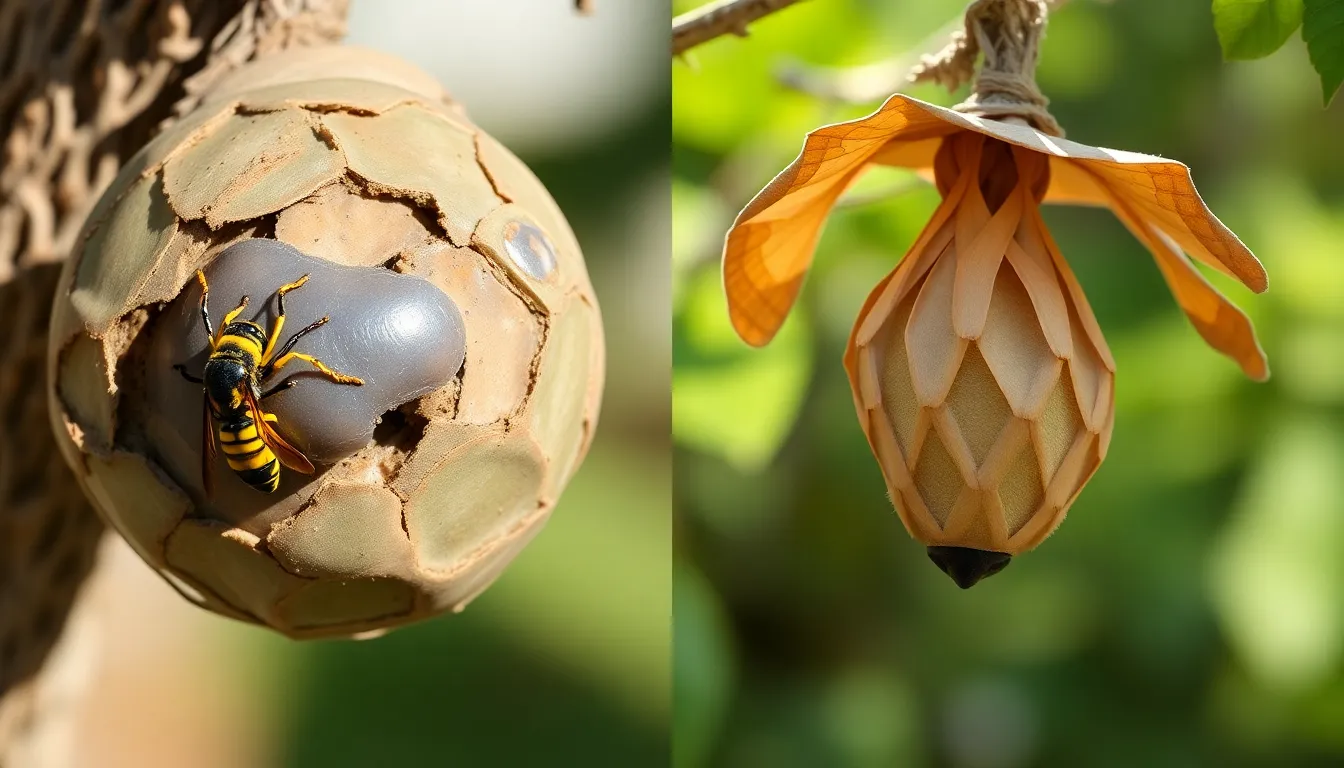
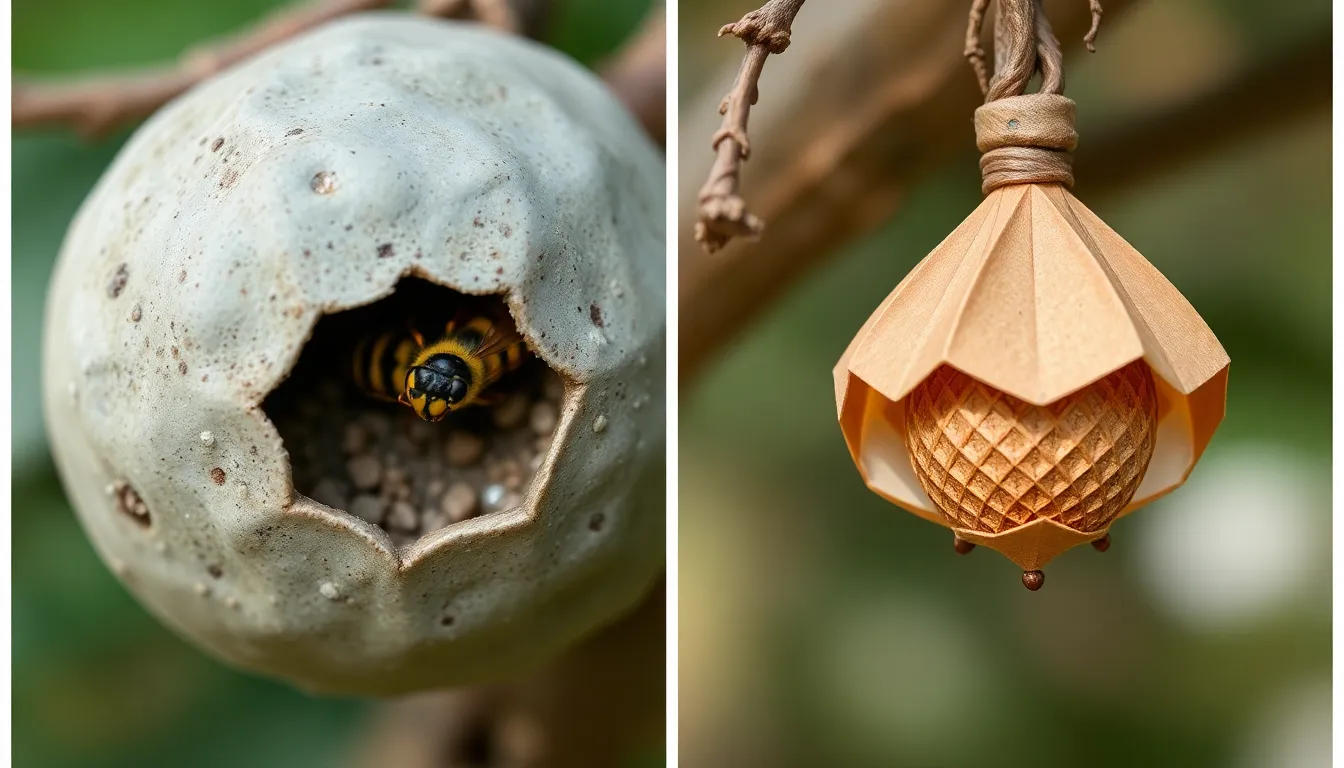
Recognizing the differences between yellow jacket nests and paper wasp nests facilitates safer outdoor experiences. Each nest type exhibits distinct characteristics essential for proper identification.
Yellow Jacket Nest Characteristics
Yellow jacket nests often take on a round or oval shape. These structures are typically composed of a paper-like material made from chewed wood fibers. Located underground or within wall cavities, yellow jacket nests can house thousands of individual wasps. The exterior of the nest appears smooth and grayish, often exhibiting a glossy finish. Entry points are small and can be camouflaged, making them difficult to spot. Aggressive behavior often accompanies these nests, with yellow jackets fiercely defending their territory from perceived threats.
Paper Wasp Nest Characteristics
Paper wasp nests resemble upside-down umbrellas and lack the protective outer layer seen in yellow jacket nests. Constructed from a combination of plant fibers and saliva, these nests appear more open and loosely structured. Typically hanging from eaves, branches, or sheltered areas, paper wasp nests host fewer individuals, usually numbering in the dozens. The overall appearance is lighter in color compared to yellow jackets, often showcasing a tan or brown hue. Unlike yellow jackets, paper wasps tend to be less aggressive, showcasing more of a warning behavior before resorting to stings.
Nest Locations and Structures
Understanding the locations and structures of yellow jacket and paper wasp nests provides insight into their behaviors and potential risks.
Yellow Jacket Nest Locations
Yellow jackets often build nests in concealed areas. Common locations include underground burrows or within wall cavities. Sometimes, nests can be found in attics or basements, where they favor dark, protected spots. The nests tend to appear smooth and grayish and can reach large sizes, accommodating thousands of wasps. Entry points to these nests are small and can blend into the surroundings, making them harder to detect. This camouflaged feature gives yellow jackets an advantage against predators while allowing them to aggressively guard their nests.
Paper Wasp Nest Locations
Paper wasp nests typically hang in open structures. Often, these nests are located in eaves, tree branches, or sheltered areas around buildings. The nests are more loosely constructed, giving them a distinct upside-down umbrella shape. Lighter colors, like tan or brown, characterize these nests, making them easier to spot. With fewer individuals, usually numbering in the dozens, these nests pose a lower risk. Their open design allows for better ventilation while helping paper wasps maintain a less aggressive demeanor compared to yellow jackets.
Behavior and Aggressiveness
Yellow jackets display aggressive behavior, especially when they perceive threats to their nests. They protect their territory vigorously and respond quickly to disturbances. Often seen buzzing around food sources, yellow jackets can sting multiple times. Their nests thrive in hidden areas, which makes accidental encounters common during outdoor activities. In addition to their aggressive nature, yellow jackets also scavenge for food, making them a nuisance at picnics and gatherings. They form large colonies that can easily number in the thousands, heightening the chances of aggressive encounters.
Paper wasps exhibit a more tempered demeanor compared to yellow jackets. While they can sting when provoked, they typically issue warnings through body language or slow movements. Found in less concealed areas, their nests attract less attention and are easier to avoid. Colonies consist of fewer individuals, generally ranging from 20 to 100. Paper wasps generally prefer to build nests in open spaces, such as eaves or tree branches, which adds to their visibility. This behavior allows for easier identification, providing an opportunity for individuals to steer clear before any aggressive interactions occur.
Nest Management and Removal
Effective management and removal techniques differ for yellow jacket and paper wasp nests, as these species exhibit unique nesting behaviors.
Techniques for Yellow Jacket Nests
Use protective gear when approaching a yellow jacket nest. Knowledge of their nesting sites, often underground or hidden in cavities, helps in locating the nest safely. Consider utilizing commercial insecticides designed for wasp control, applying them during evening hours when wasps are less active. Bait traps can reduce their population, especially near food sources like trash cans. Additionally, professional pest control services provide expertise for effective removal, minimizing risk of stings.
Techniques for Paper Wasp Nests
Target paper wasp nests with caution, as these insects are less aggressive. Disturb the nest at dusk or dawn, ensuring fewer wasps are present. Use a long-handled spray insecticide to treat the entrance area effectively. Wasp traps can also help manage their numbers, capturing individuals that stray far from the nest. Opting for professional assistance may prove necessary if large nests are present, allowing for safe removal without confrontation.
Understanding the differences between yellow jacket nests and paper wasp nests is essential for anyone looking to enjoy outdoor spaces safely. Yellow jackets are aggressive and can pose a significant threat, especially when their nests are disturbed. Their large colonies and hidden nests make them particularly dangerous during summer gatherings.
On the other hand, paper wasps are less aggressive and easier to identify due to their distinctive nests. Knowing how to recognize these nests can help individuals avoid painful stings and manage any potential infestations effectively.
By being informed about these wasp types, people can take the necessary precautions to protect themselves and their loved ones while enjoying the outdoors.