

Have you ever found yourself lost in the depths of a piano sonata, feeling every note resonate through your soul? Piano classical music is not just a genre: it’s an exploration of human emotion wrapped in captivating melodies. From its rich history to the intricacies of technique and the brilliant composers who shaped it, this art form has stood the test of time. So grab your ear buds, or better yet, find a grand piano, and let’s jump into the world of piano classical music.
The History of Piano Classical Music
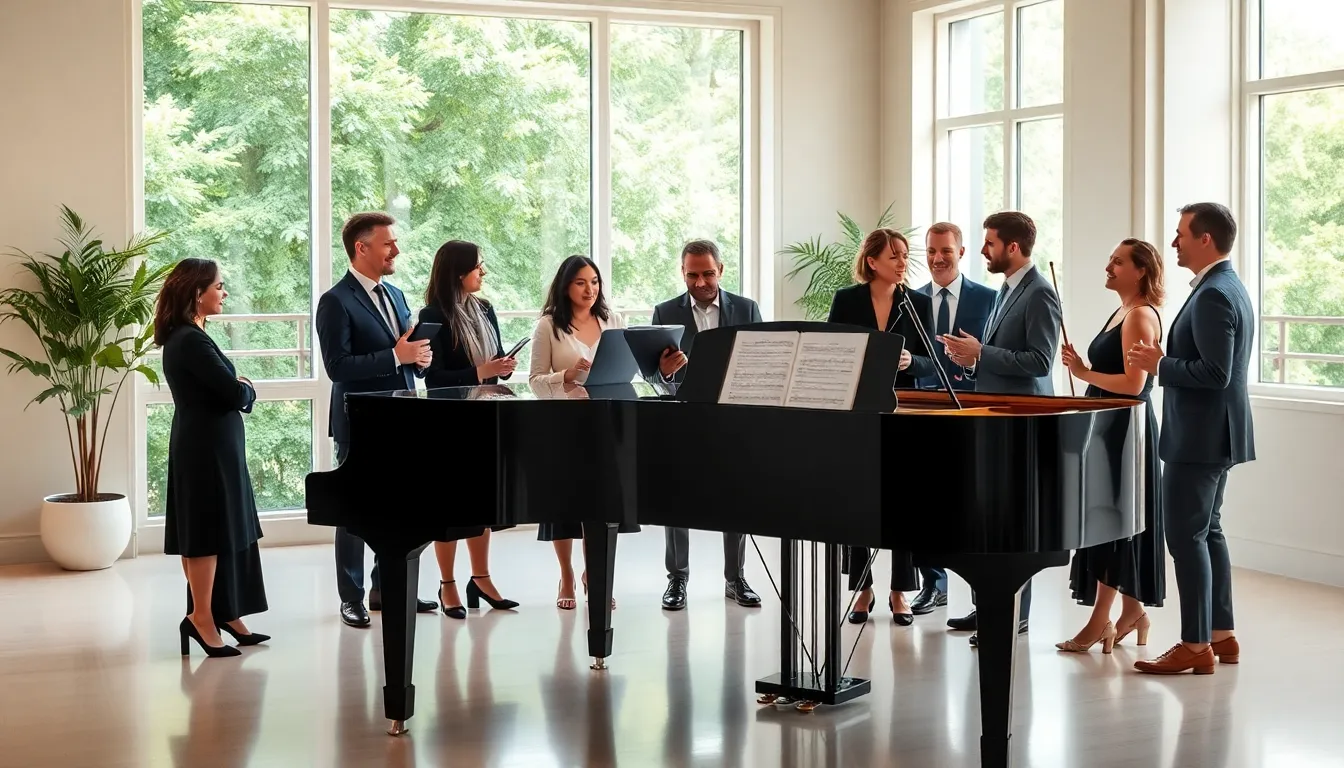
The history of piano classical music is a fascinating journey that spans several centuries. It all began in the early 18th century when Bartolomeo Cristofori invented the piano. This revolutionary instrument replaced the harpsichord and clavichord as it offered a wider range of dynamics, a key reason for its enduring popularity.
By the late 1700s, piano music evolved significantly. The Classical era saw composers like Mozart and Haydn make the piano a central part of their compositions, pushing the boundaries of what the instrument could do. They laid the groundwork for future artists to explore richer textures and deeper emotional expressions.
As we transitioned into the Romantic era, the piano became an emotional outlet for composers such as Chopin and Liszt. Their works not only showcased virtuosic technique but also infused deep emotions, capturing the essence of life itself. Fast forward to today, the piano remains a staple in both classical and contemporary music, demonstrating its timeless appeal and adaptability.
Key Composers and Their Contributions
Great music often emerges from great minds. In the world of piano classical music, several composers stand out, each contributing unique perspectives and innovations.
Ludwig van Beethoven is often regarded as the bridge between the Classical and Romantic eras. His piano sonatas, especially the ‘Moonlight Sonata,’ pushed boundaries by exploring new harmonic structures and emotional depths that were previously unexplored.
Moving along, Frédéric Chopin brought his Polish roots into play, creating compositions that are intertwined with national identity. His nocturnes and études not only showcase technical prowess but also stir the soul, making listeners feel every note.
Finally, let’s talk about Sergei Rachmaninoff. Rachmaninoff’s pieces celebrate lush harmonies and deep emotional expressions. His dedication to the piano and its potential for storytelling made him one of the most beloved composers of the 20th century.
Piano Techniques in Classical Music
Mastering piano classical music isn’t just about hitting the right keys: it’s about understanding the techniques that define the genre. Various techniques have emerged over the years, helping pianists convey diverse emotions through their performances.
Legato playing is one essential technique often employed in classical music. It involves smooth transitions between notes, creating a flowing sound that’s pleasing to the ear. On the other side, we have staccato, which provides a distinct contrast with its sharp, clipped notes. These techniques allow the pianist to express a wide array of feelings with just their fingertips.
Also, the importance of pedaling cannot be understated. The sustain pedal enhances the richness of sound, allowing notes to blend together elegantly, which is especially crucial in Romantic era compositions.
Understanding dynamics, how loud or soft to play, is also vital. This aspect can shift a piece from serene to overwhelming, pulling the listener through an emotional journey.
Significant Works to Explore
For anyone wanting to investigate deeper into piano classical music, certain works must not be overlooked.
The Role of the Piano in Various Music Eras
The piano’s function evolved alongside music styles. In the Baroque era, it often served as a solo instrument. But, by the Classical period, it became integral to orchestras, harmonizing beautifully with strings and woodwinds. The shift illustrates how the piano’s role expanded musically and culturally, influencing countless compositions.
Romantic Era Innovations
The Romantic era is a goldmine for piano enthusiasts. Pieces such as Chopin’s Ballades and Schumann’s Kinderszenen reveal innovations in both technique and emotional depth. The composers during this time strived not just to impress, but to evoke feelings and memories through their music.
Contemporary Influences on Classical Piano
The influences on classical piano today are as diverse as they come. Contemporary composers are blending classical techniques with modern styles, creating a fascinating dialogue between old and new.
Consider artists like Philip Glass. His minimalist approach offers a refreshing take on classical music while retaining the complexity and richness of traditional compositions. Max Richter is another name that stands out, as his scores incorporate cinematic elements that captivate audiences, transcending beyond the concert hall.
Also, the rise of technology has transformed how these musicians create and share their work. With digital tools, they can experiment with soundscapes and textures that were once unimaginable, allowing a whole new generation of listeners to engage with classical music.
The Future of Piano Classical Music
Piano classical music is poised for an exciting future. As audiences evolve, so do the composers and performers. The trends show a growing interest in incorporating improvisation and cross-genre collaborations into classical training.
Also, educational initiatives worldwide are enhancing accessibility to piano music. More children are learning about classical music, often through engaging and modern methods that make it relatable. This ensures that piano classical music will not only endure but thrive as new talent emerges.
As more fusion genres take hold, such as classical-crossover and new-age, the piano’s versatility will continue to shine, proving that this timeless art form is not only relevant but essential in our musical landscape.