

The Classical era was a musical playground where creativity reigned supreme and composers were the rock stars of their time. Imagine a world where Mozart was the life of the party, Beethoven was the brooding genius, and Haydn was the witty uncle cracking jokes over dinner. These maestros didn’t just compose; they revolutionized music, making it accessible and enjoyable for everyone.
Overview of Classical Era Composers
Classical era composers transformed music with their innovative approaches. Wolfgang Amadeus Mozart stands out as a prolific creator, composing over 600 works that include symphonies and operas. Ludwig van Beethoven, meanwhile, pushed boundaries, introducing emotional depth and structural complexity. Joseph Haydn played a pivotal role in establishing the symphonic form, often referred to as the “father of the symphony.”
The Classical era, spanning from approximately 1730 to 1820, encompassed a range of styles and influences that shaped Western music. Composers prioritized clarity and balance, evident in their use of form and harmony. They favored structured compositions, characterized by the sonata-allegro form, which became a staple in classical music.
Mozart’s operas, such as “The Magic Flute,” illustrate his unique gift for melody and drama. Haydn’s “The Creation” showcases the grandeur of choral music through engaging storytelling. Beethoven’s later works, including his Ninth Symphony, explore themes of humanity and brotherhood, reflecting societal changes during his time.
These musicians cultivated a new audience for classical music, making it more accessible. They performed in public concerts, drawing diverse crowds. Notably, their contributions continue influencing contemporary composers and musicians across genres, solidifying their legacy in the larger narrative of music history.
Exemplary works from this period, such as Mozart’s “Eine kleine Nachtmusik,” remain staples of concert repertoires today. Ongoing study reveals their significant impact on the evolution of music, inspiring generations to explore the beauty of classical compositions.
Key Characteristics of Classical Music
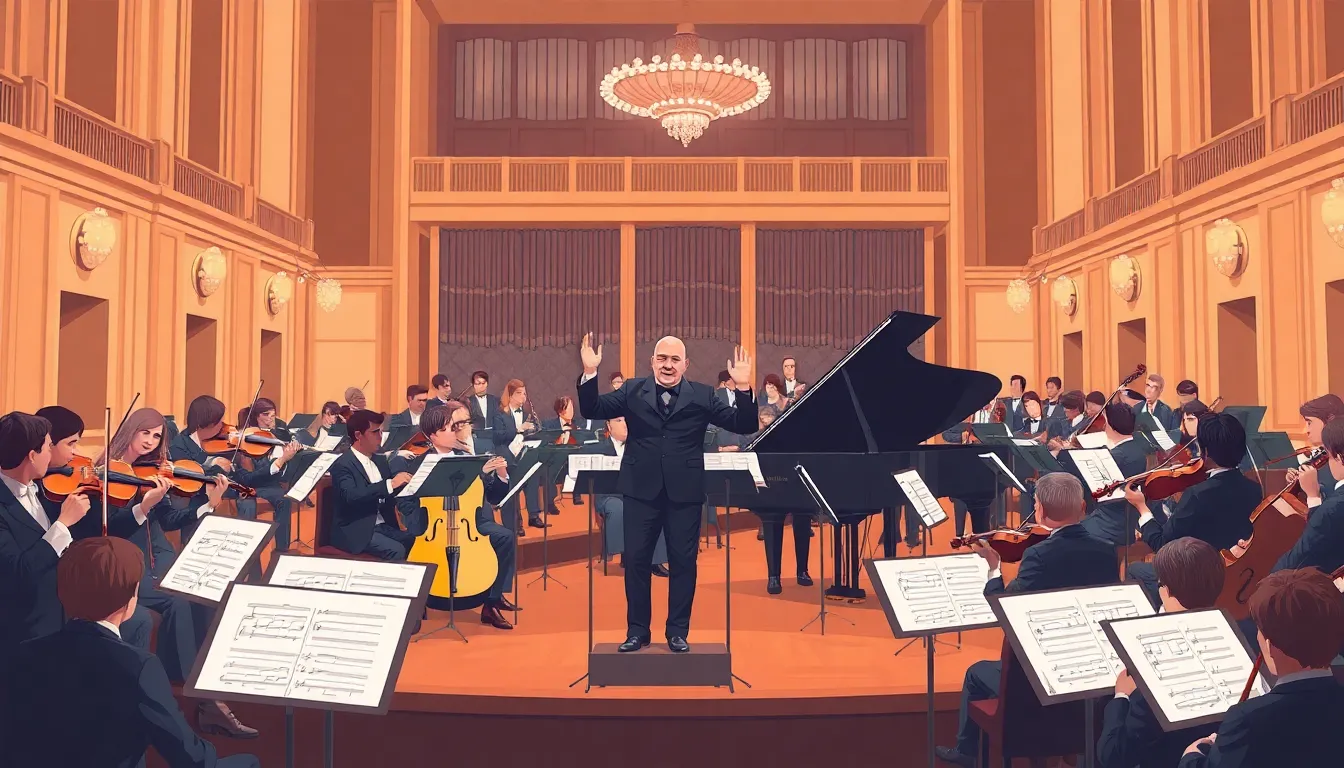
Classical music showcases a balance of clarity and elegance. It emphasizes structured compositions that resonate with both musicians and audiences.
Harmony and Melody
Harmony remains pivotal in classical music. It supports melodies that captivate listeners, establishing emotional depth. Composers used simple harmonies alongside richer textures, enhancing the overall sound. Inventive chord progressions contributed to creating tension and resolution throughout pieces. Melody takes center stage, with memorable themes often expressing various emotions. A blend of lyrical and rhythmic elements in melody enhances accessibility, allowing for broader engagement. Example pieces such as Mozart’s “Eine kleine Nachtmusik” demonstrate the effectiveness of strong melodic lines paired with harmonic support.
Form and Structure
Form and structure define classical compositions. The sonata-allegro form became a staple, allowing composers to explore themes and develop ideas dynamically. Movements typically consist of exposition, development, and recapitulation, which maintain listener interest. Haydn effectively utilized this structure, paving the way for future composers. Symphonies and string quartets often followed predetermined frameworks that fostered clarity. Overall, variations in form kept classical music vibrant and engaging. The layered complexity found in Beethoven’s Ninth Symphony reveals the potential within these structures, showcasing innovative approaches to traditional forms.
Notable Classical Era Composers
Classical music flourished with influential composers who shaped its character and direction. This section highlights three prominent figures: Wolfgang Amadeus Mozart, Ludwig van Beethoven, and Joseph Haydn.
Wolfgang Amadeus Mozart
Mozart exemplified genius with a prolific output of over 600 works. His compositions included symphonies, operas, and chamber music, showcasing clarity and beauty. “The Magic Flute” remains a cornerstone of his operatic repertoire. Creativity marked his music, often weaving intricate melodies with rich harmonies. Audiences appreciated his engaging style, making classical concerts popular among diverse crowds. Mozart’s influence extended beyond his lifetime, impacting composers for centuries.
Ludwig van Beethoven
Beethoven transformed classical music by emphasizing emotional depth and innovative structures. He composed groundbreaking works such as the Ninth Symphony, which introduced choral elements into symphonic form. Complexity defined his later compositions, blending harmony and melody to convey intense emotions. Music lovers cherished his ability to evoke powerful feelings through sound. The transition from the Classical to the Romantic era can be attributed to his unique vision. Beethoven’s legacy endures in concert halls worldwide, influencing numerous contemporary composers.
Joseph Haydn
Haydn, known as the “father of the symphony,” established foundational principles for orchestral music. His compositions included over 100 symphonies, demonstrating balance and structure. The famous “The Creation” reflects his talent for combining choral and orchestral elements. Often playful, his music delighted audiences, creating a personable connection. His innovative use of sonata-allegro form became a template for future composers. Haydn’s contributions to chamber music also left a significant mark, reinforcing his status in music history.
Impact of Classical Era Composers
Classical era composers made profound contributions to the world of music, shaping its future direction and theoretical foundations.
Influence on Later Music Eras
Classical composers set the stage for later music movements. Their innovations influenced composers from the Romantic era onward, inspiring figures like Chopin and Wagner. Mozart’s melodic genius resonated throughout subsequent compositions, while Beethoven’s emotional depth provided a template for later artists. The emphasis on structure and clarity during the Classical era paved the way for developments in harmony and orchestration. Many techniques established in this era, such as sonata form, became critical components of later musical compositions.
Contributions to Music Theory
Classical composers also significantly advanced music theory. They refined concepts of harmony, counterpoint, and formal structure, laying the groundwork for future studies. Haydn’s developments in symphonic form influenced the analytical framework used today. Understanding chord progressions became essential for composers, thanks to the principles laid out during this time. Compositional techniques such as modulation and thematic development evolved from these foundational theories, ensuring that music remained dynamic and expressive in subsequent eras.
The Classical era marked a pivotal moment in the evolution of music. Composers like Mozart, Beethoven, and Haydn not only shaped their time but also laid the groundwork for future generations. Their innovative techniques and unique approaches to melody and harmony created a lasting impact that transcends centuries.
Today, their works continue to resonate with audiences around the world. The balance and clarity they championed remain essential elements in music education and composition. As the echoes of their genius persist, these composers remind us of the transformative power of music and its ability to connect people across time and space.